A Space Narrative
Architecture Projects
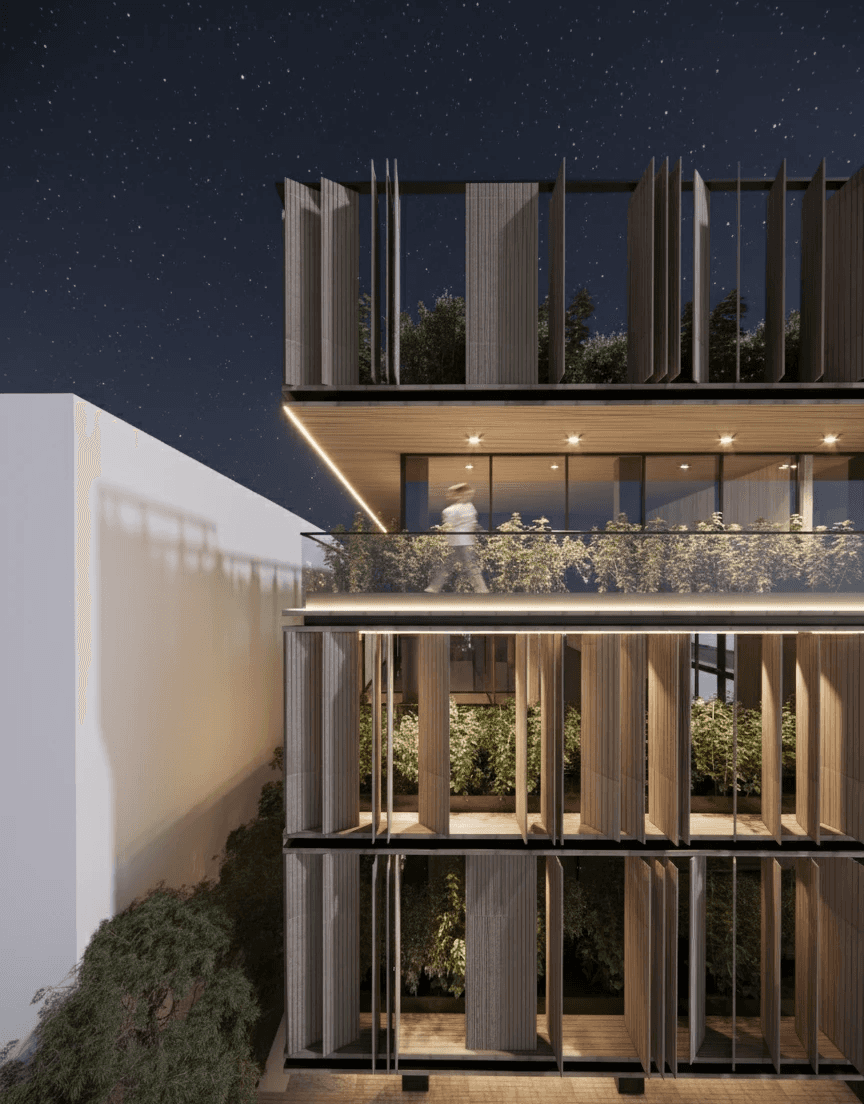
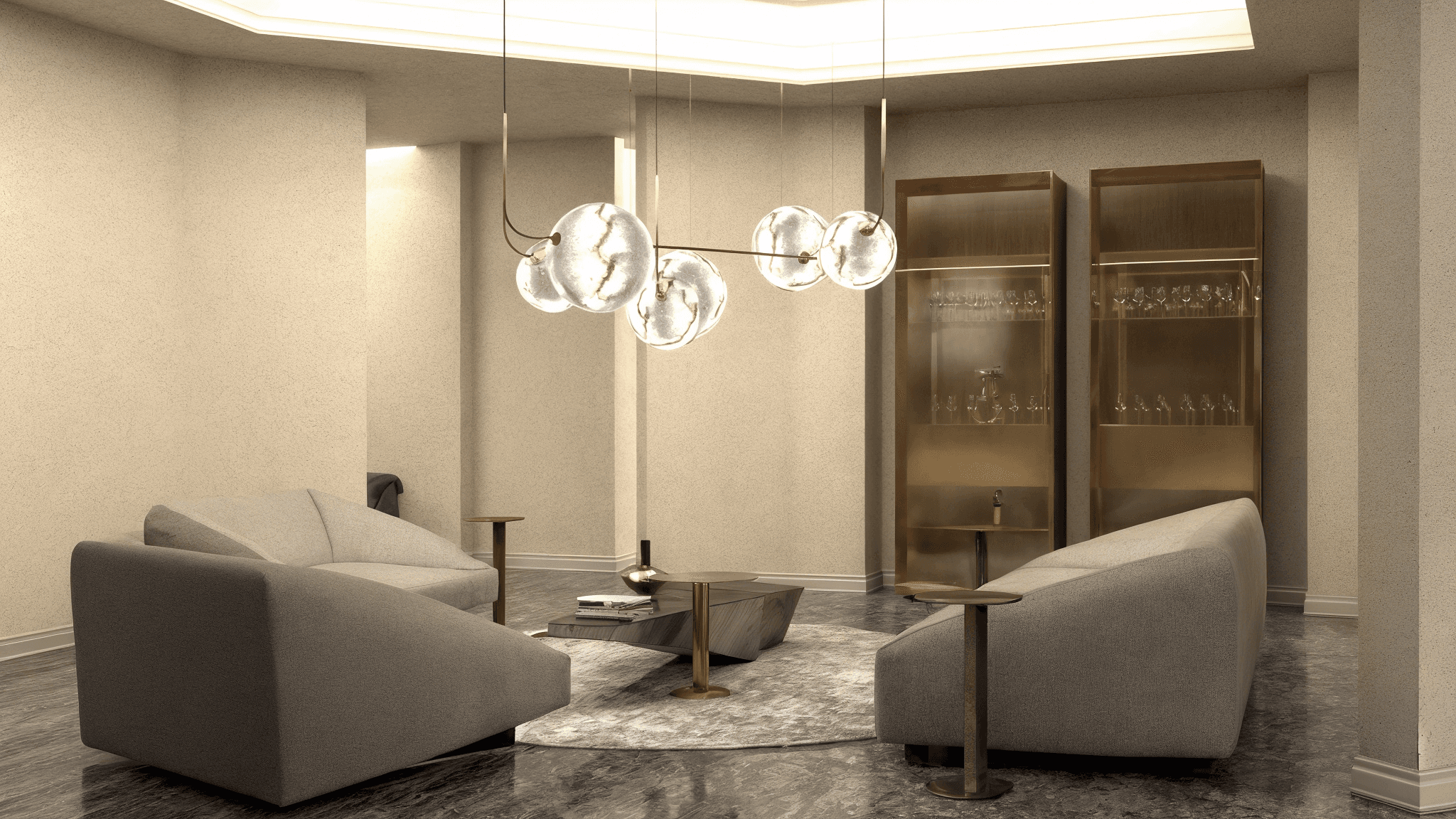
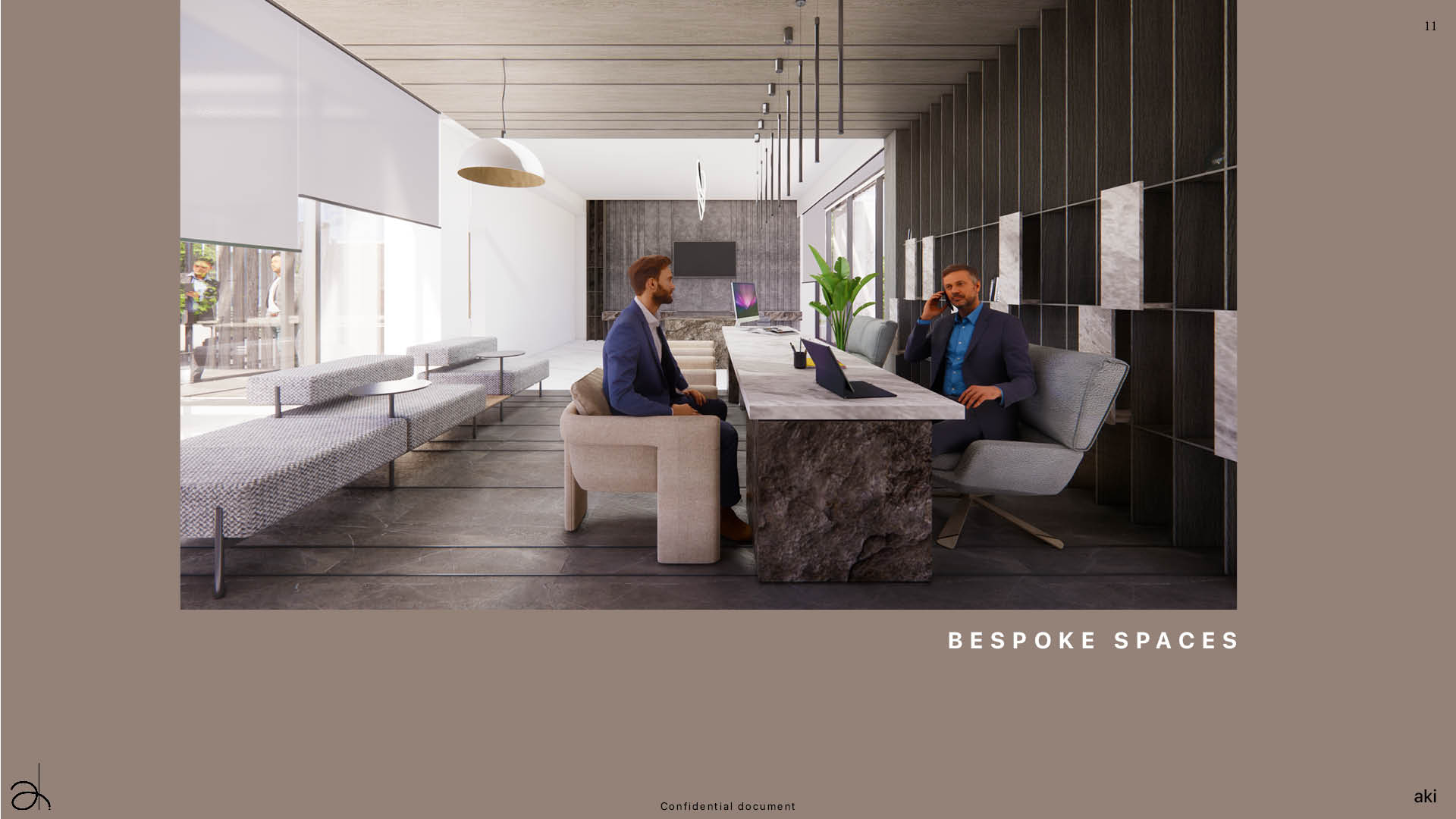
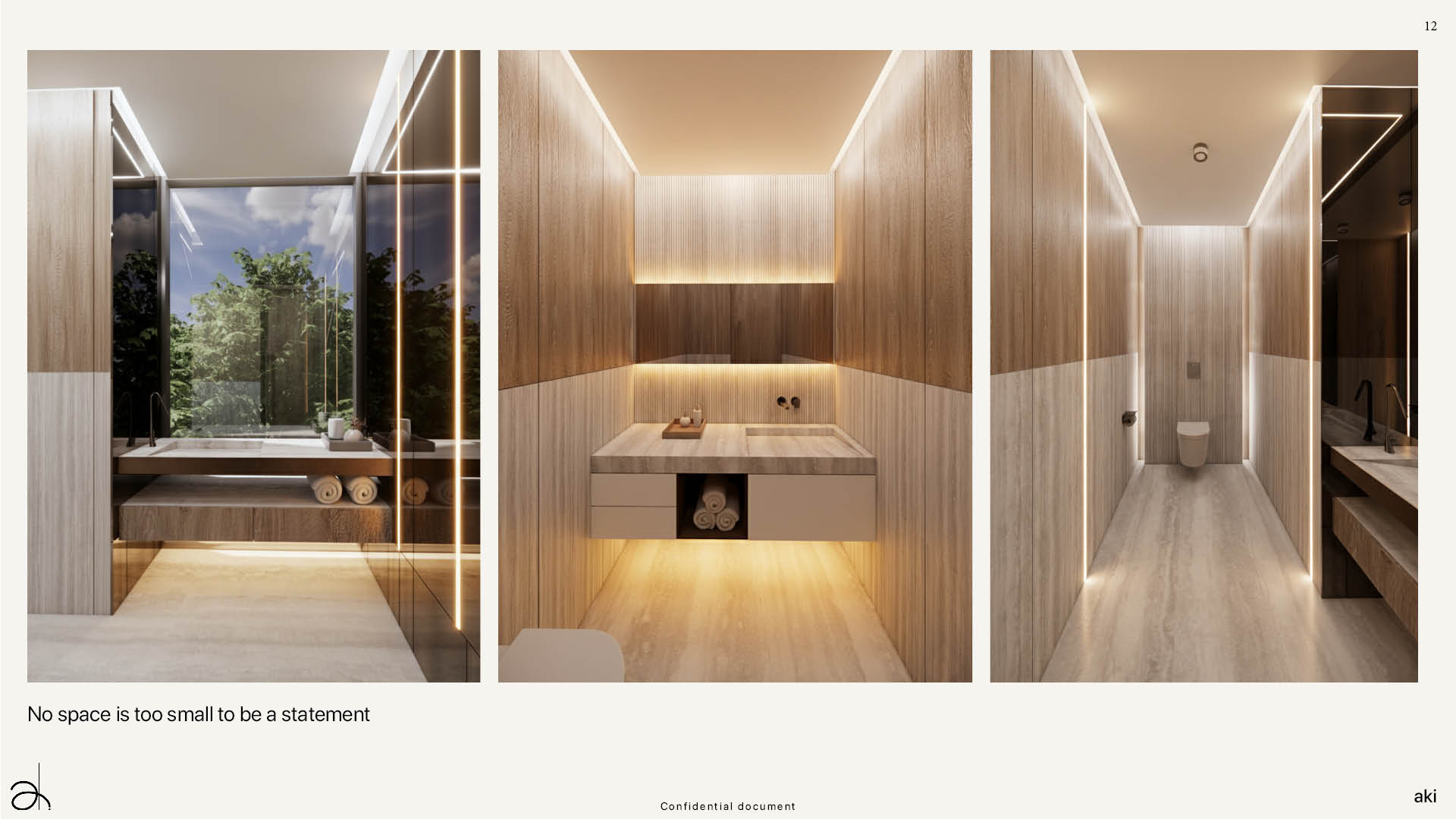
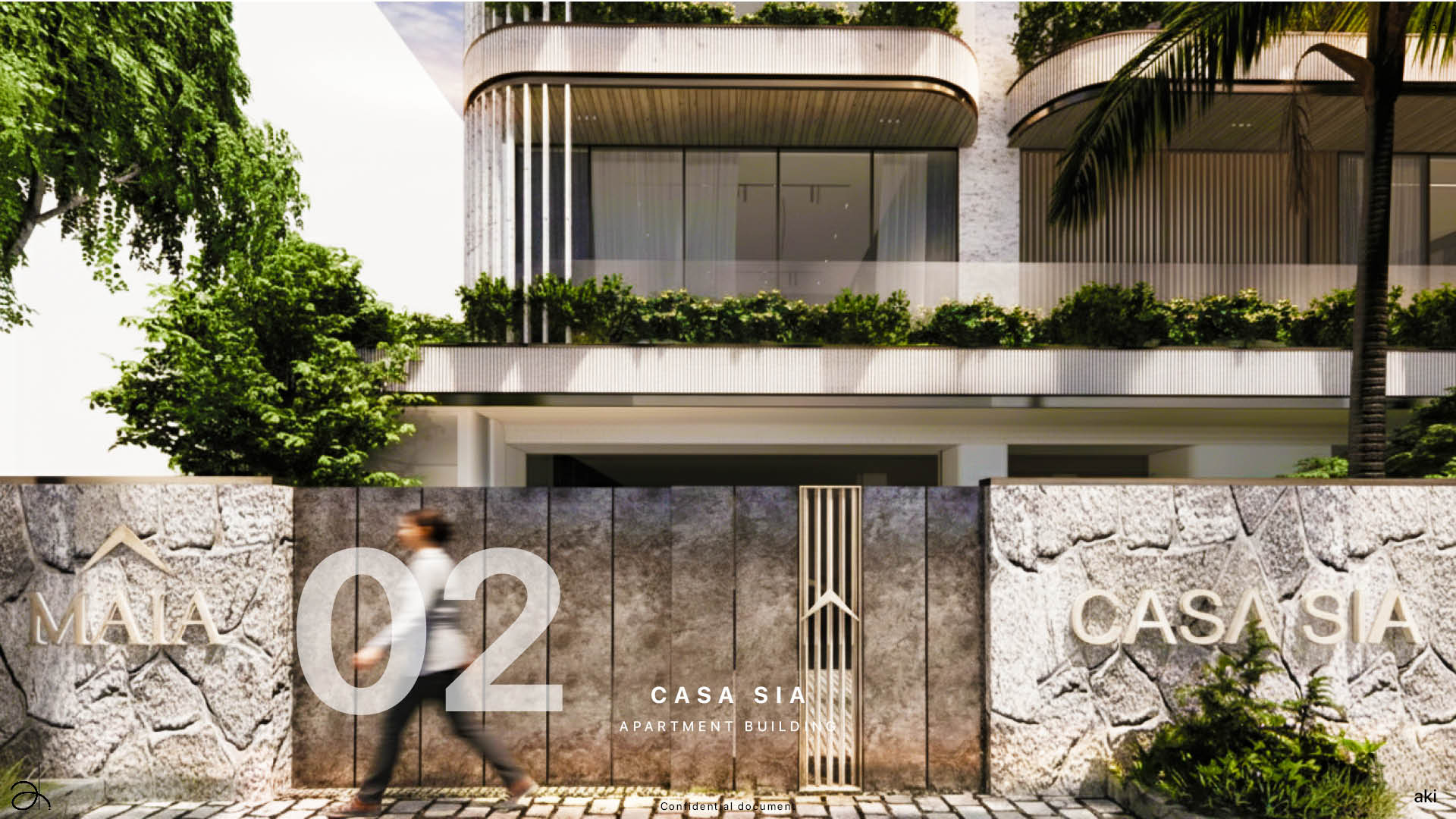
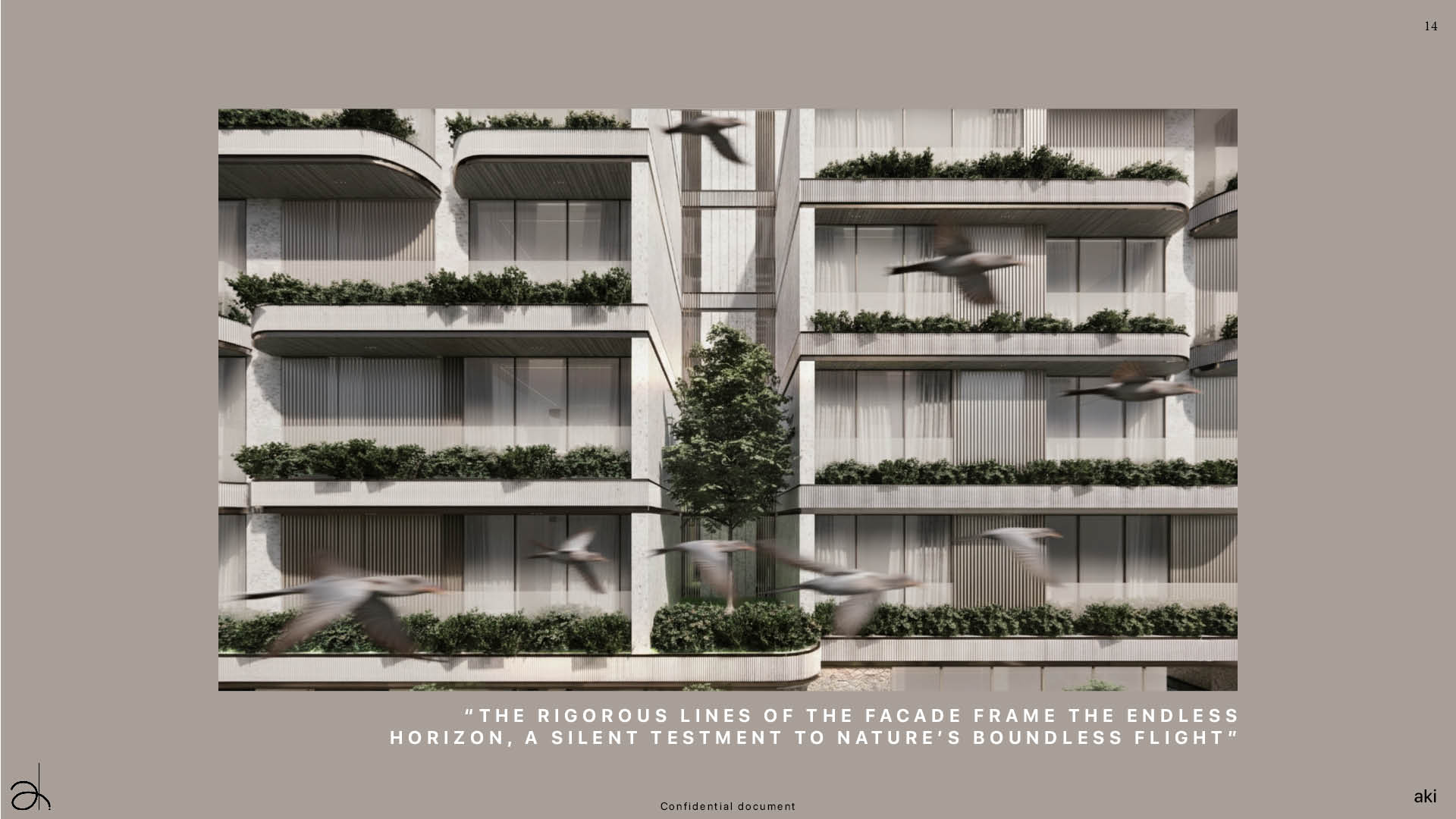
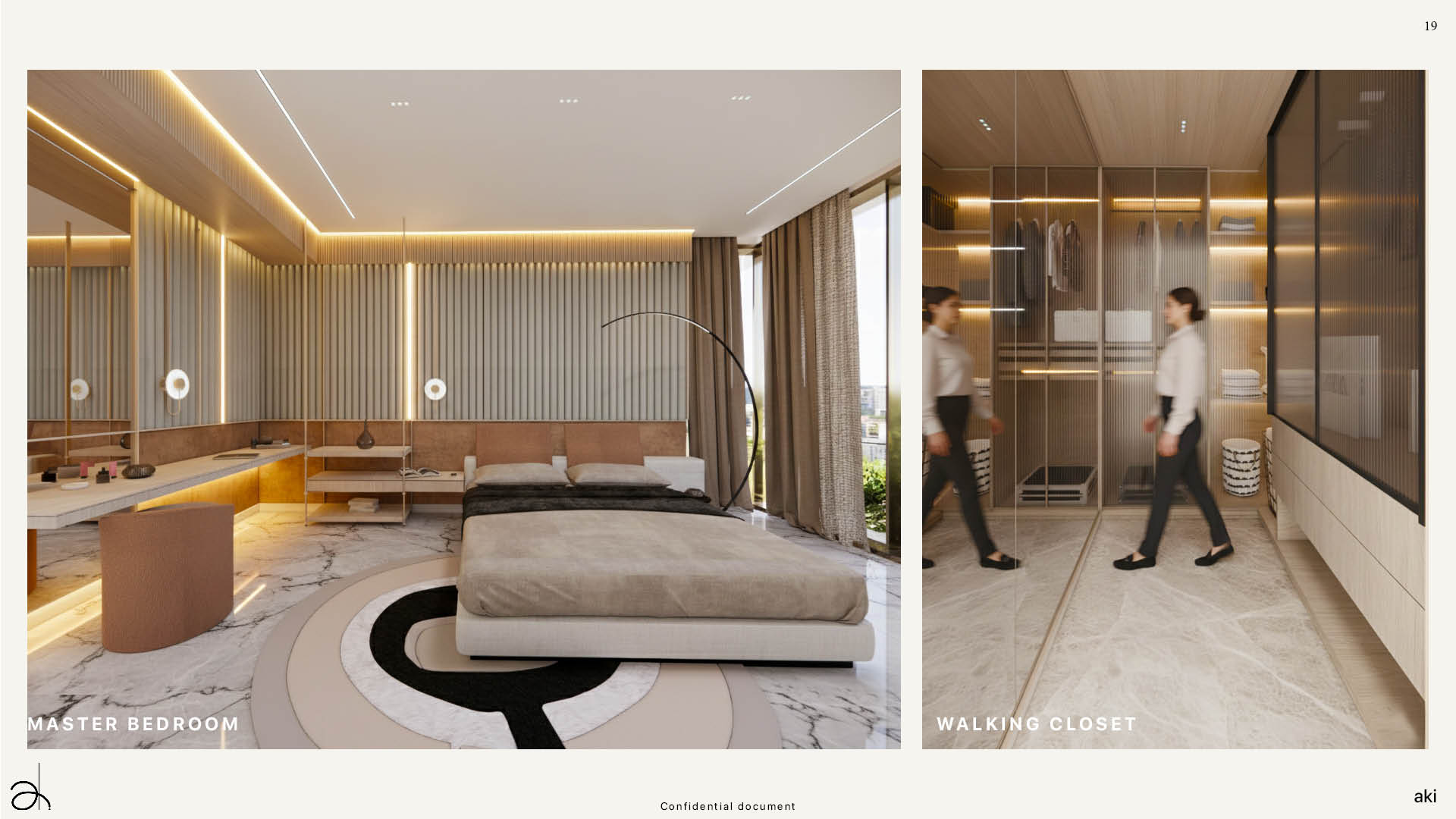
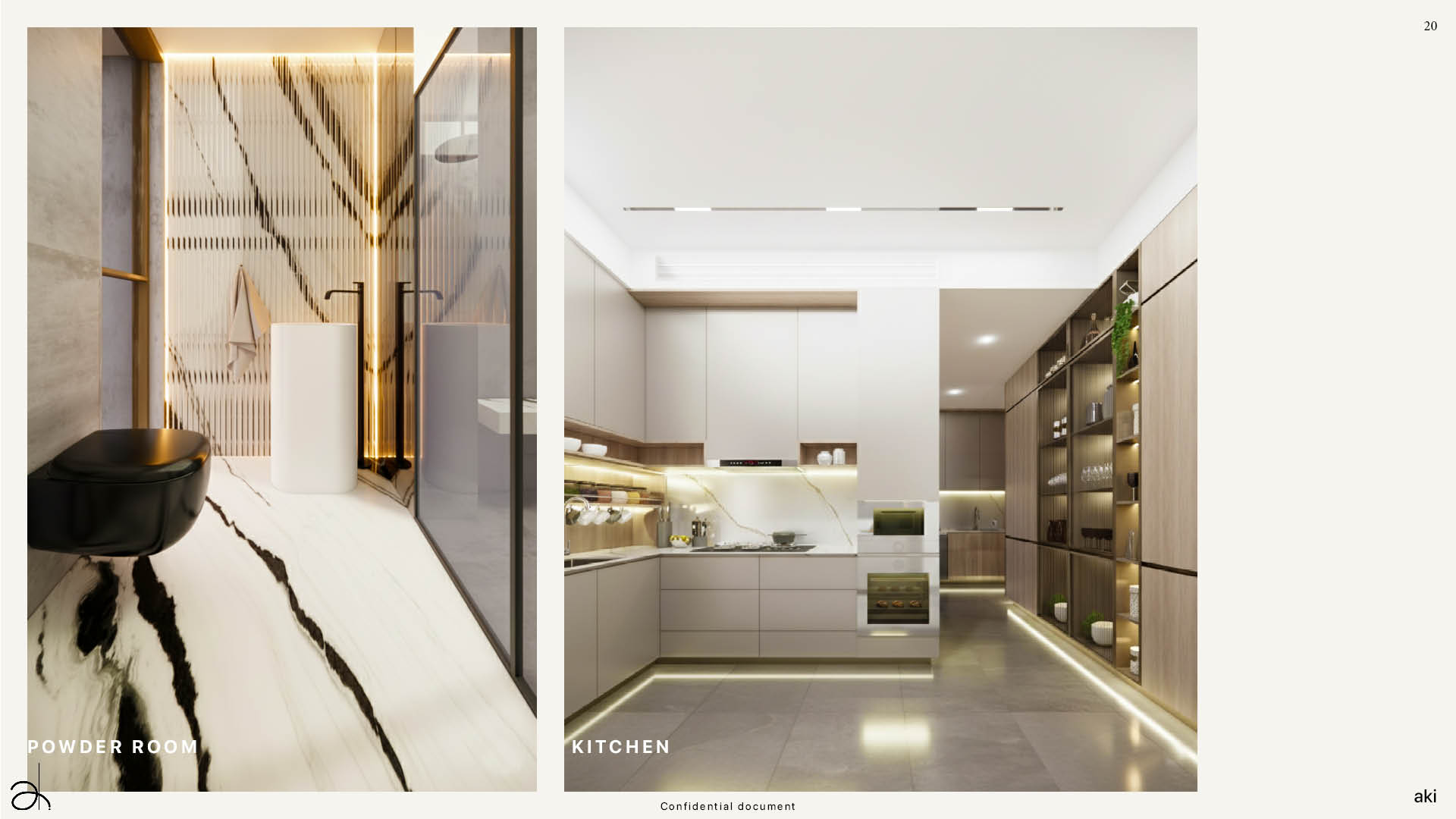
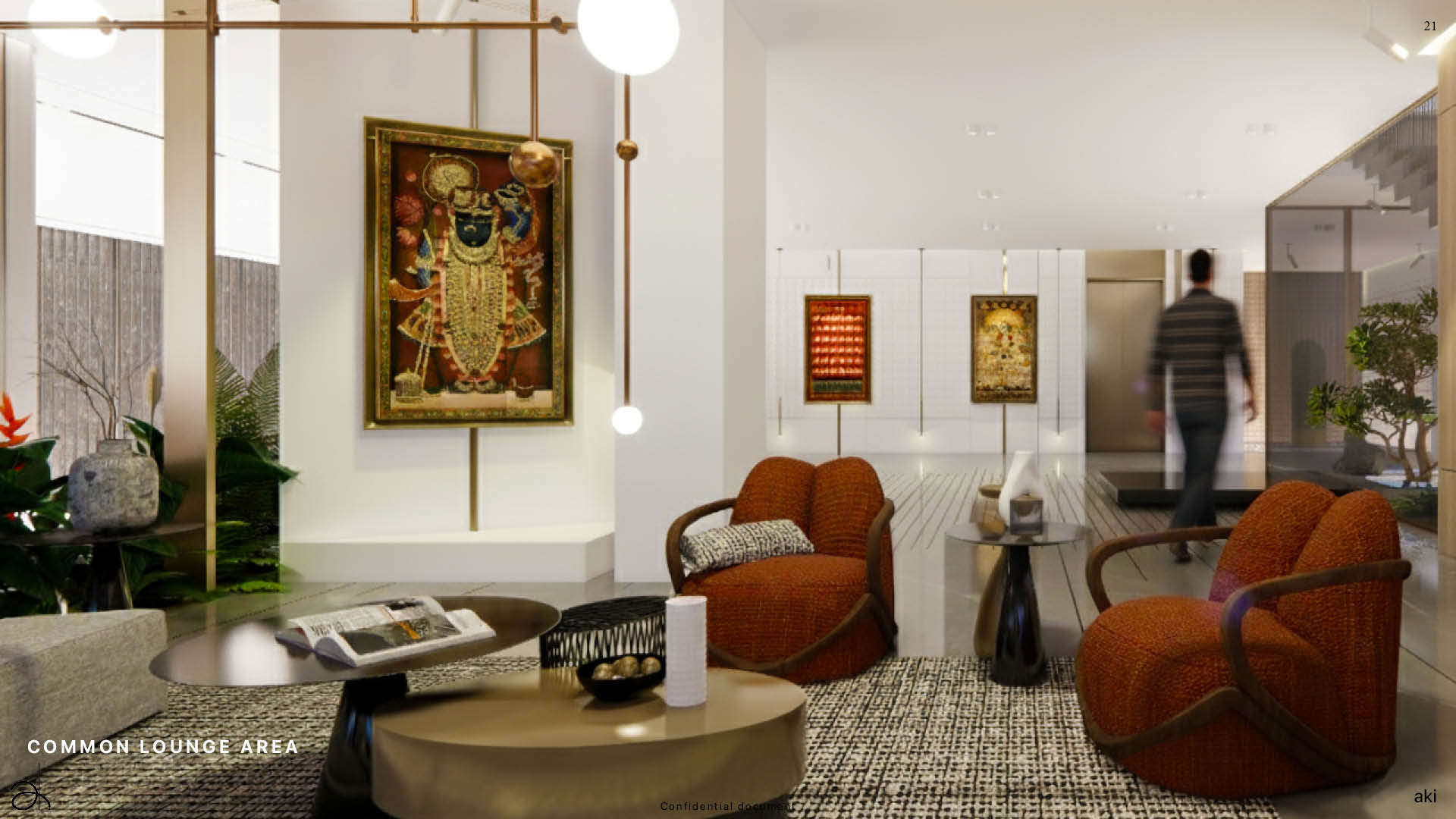
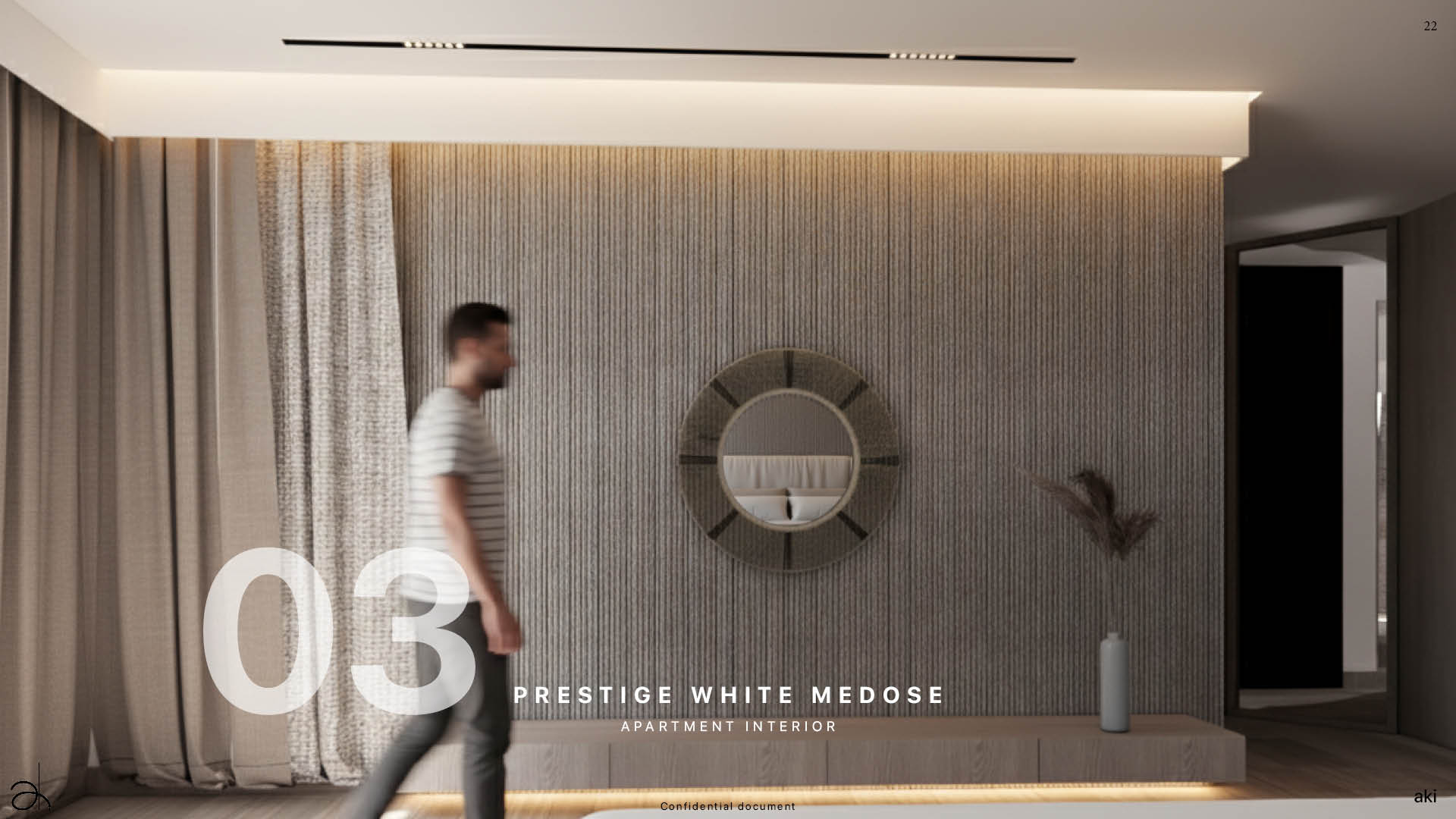
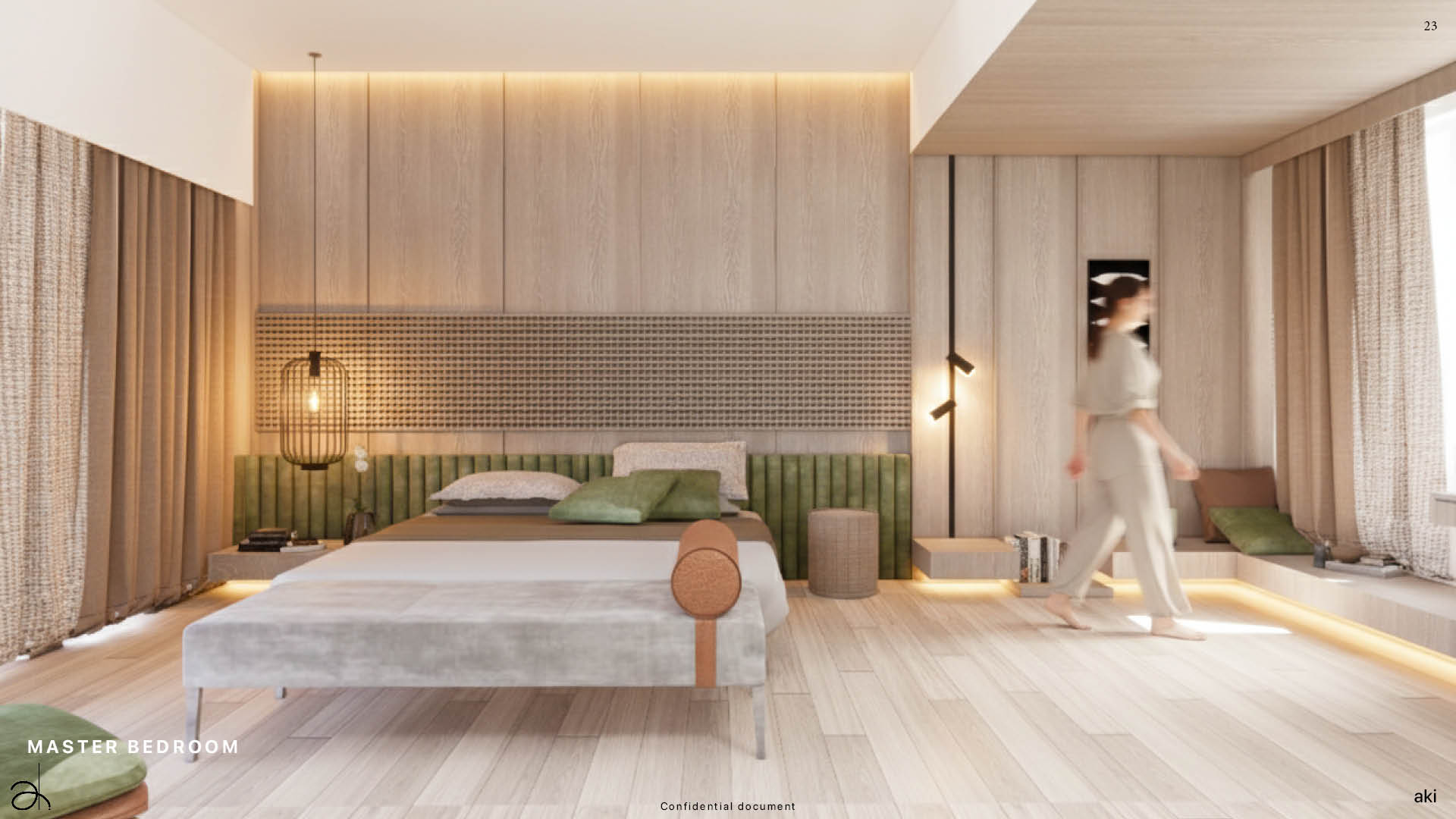
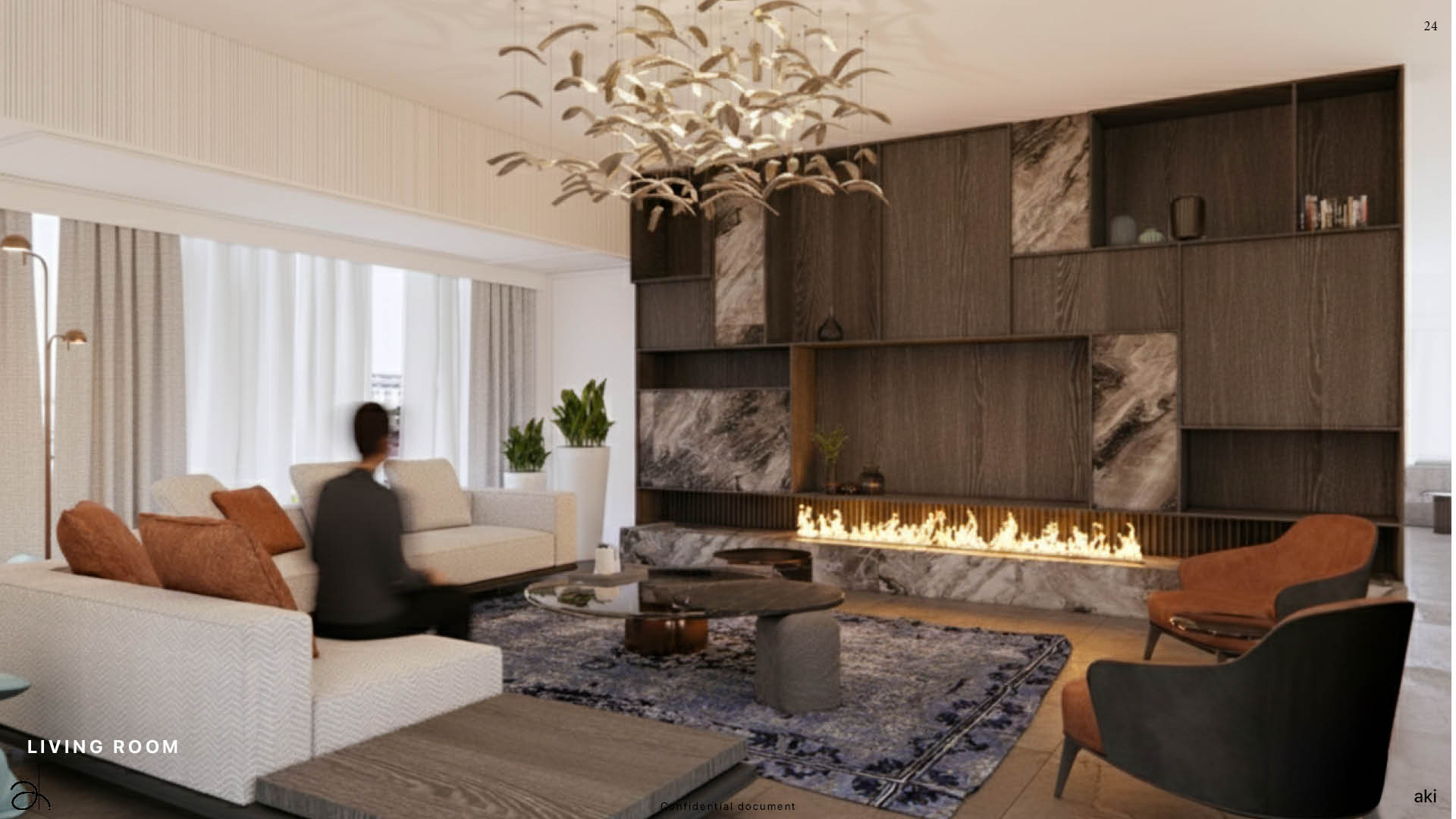
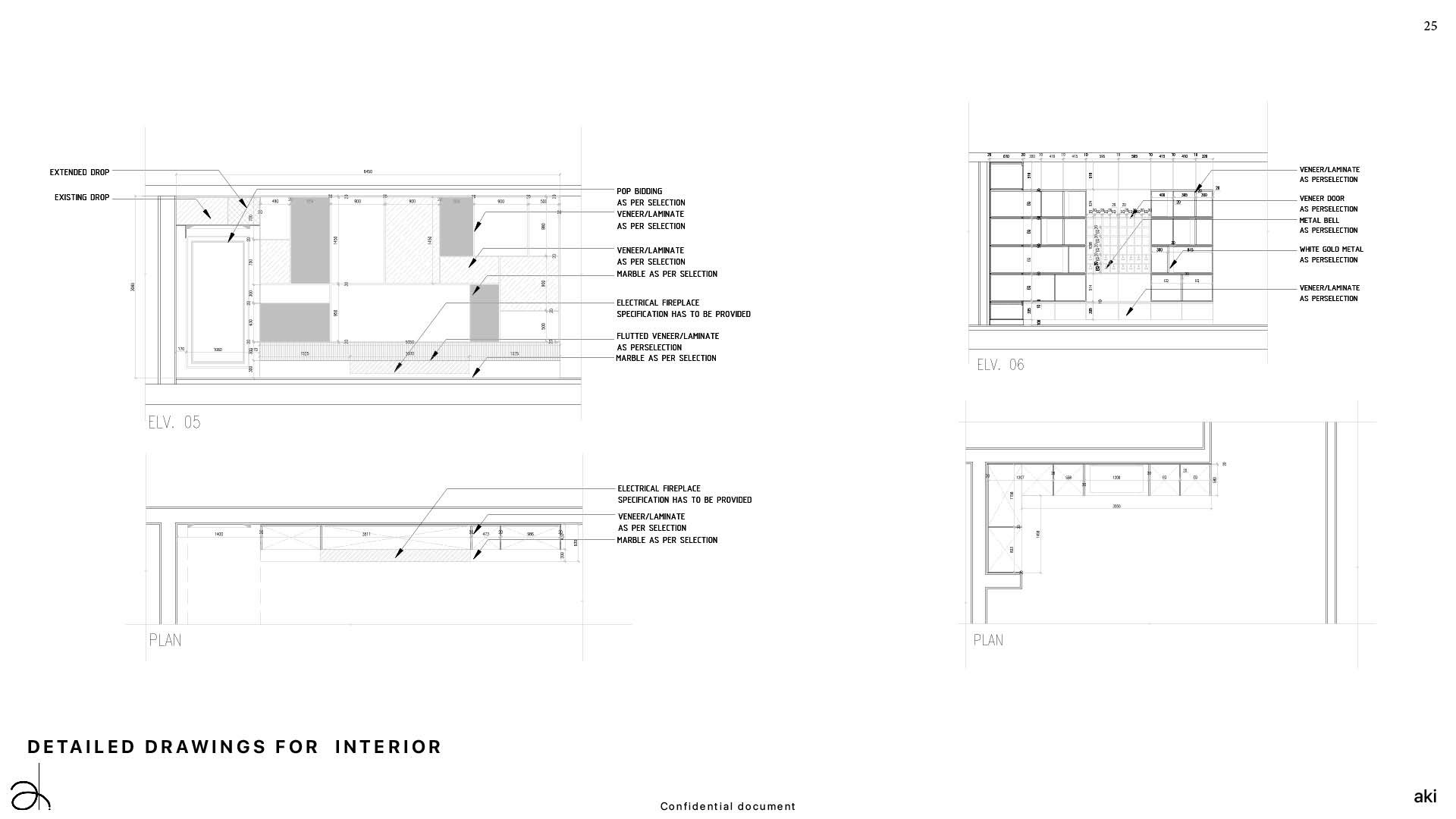
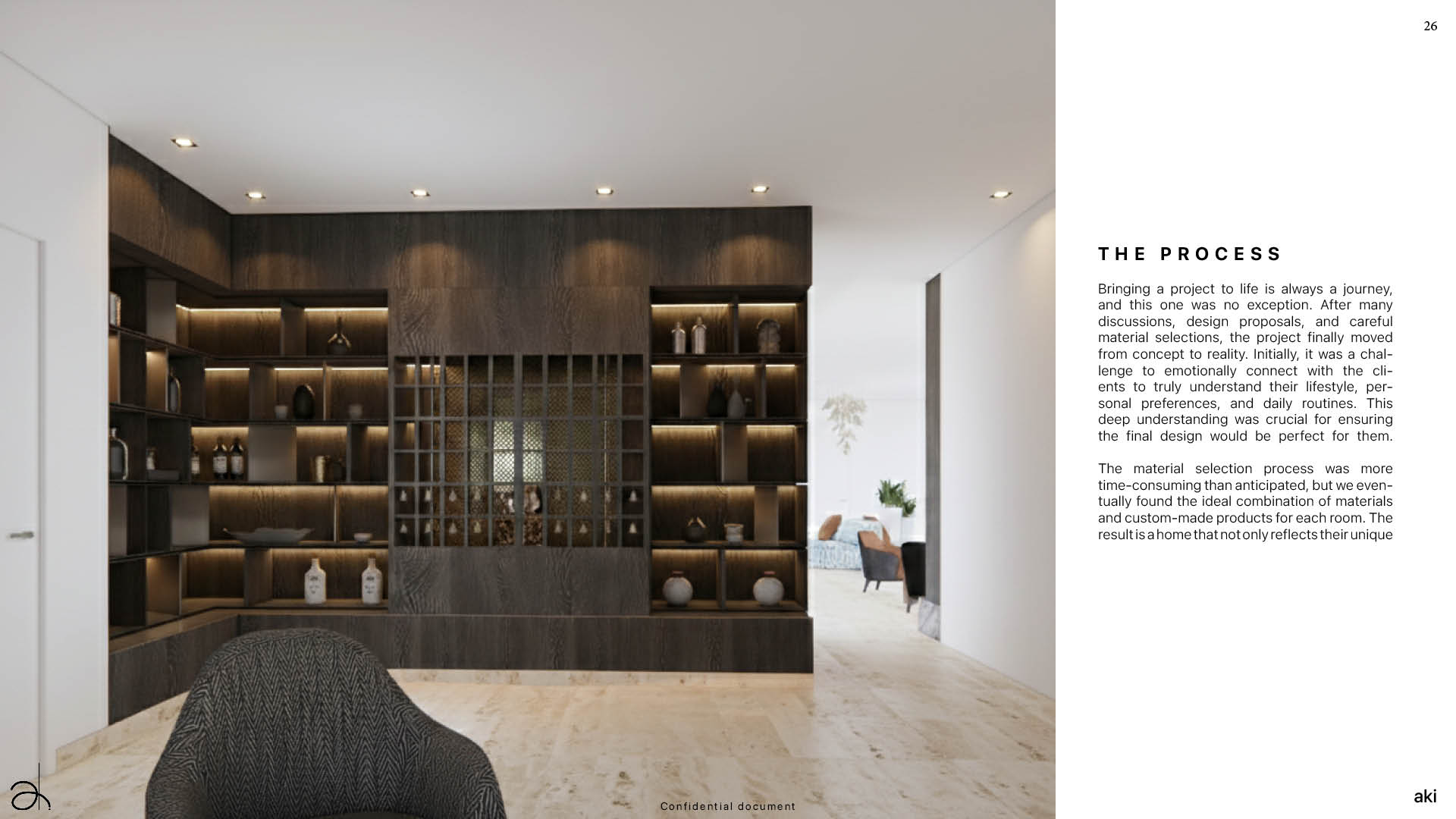
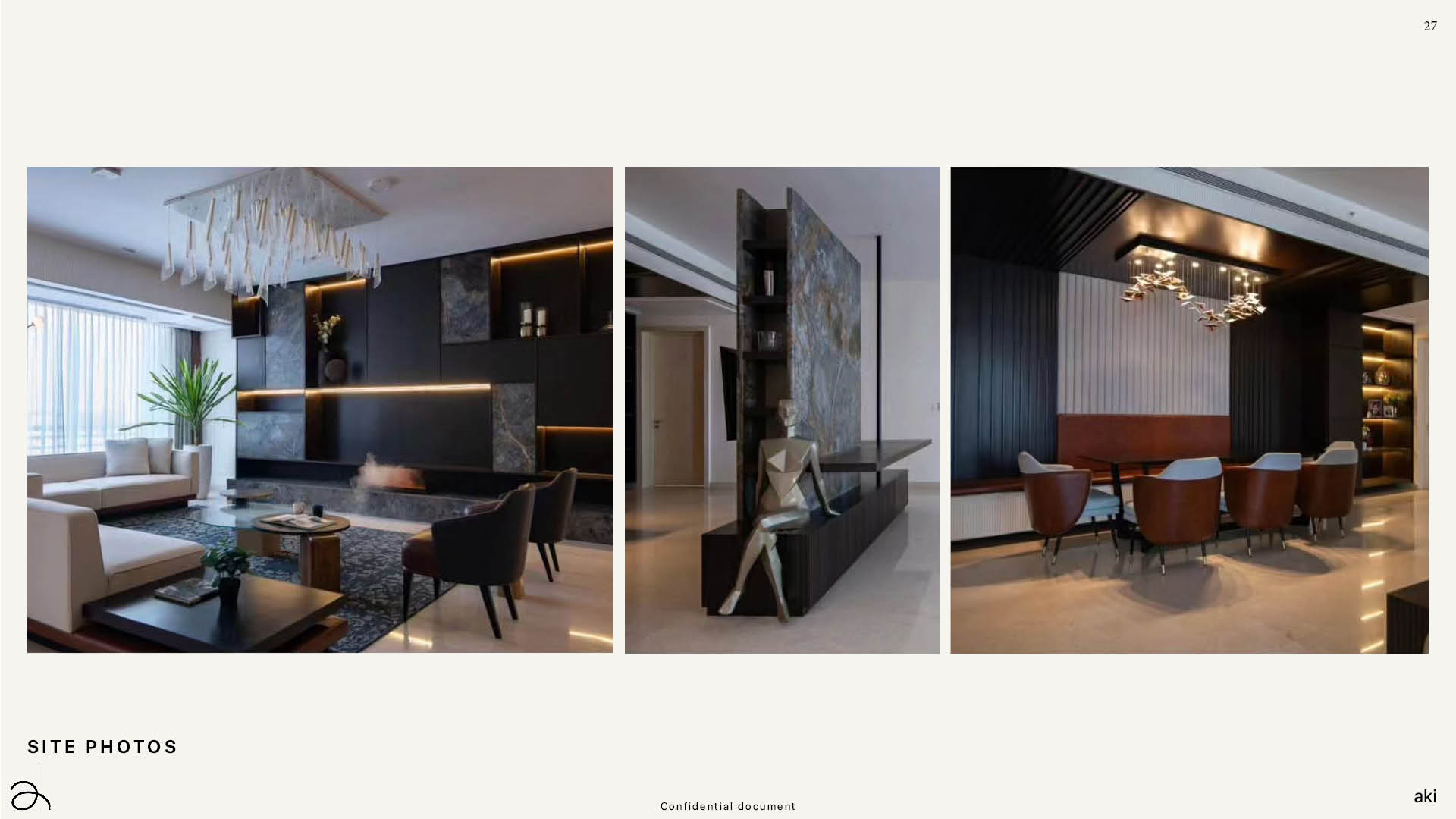
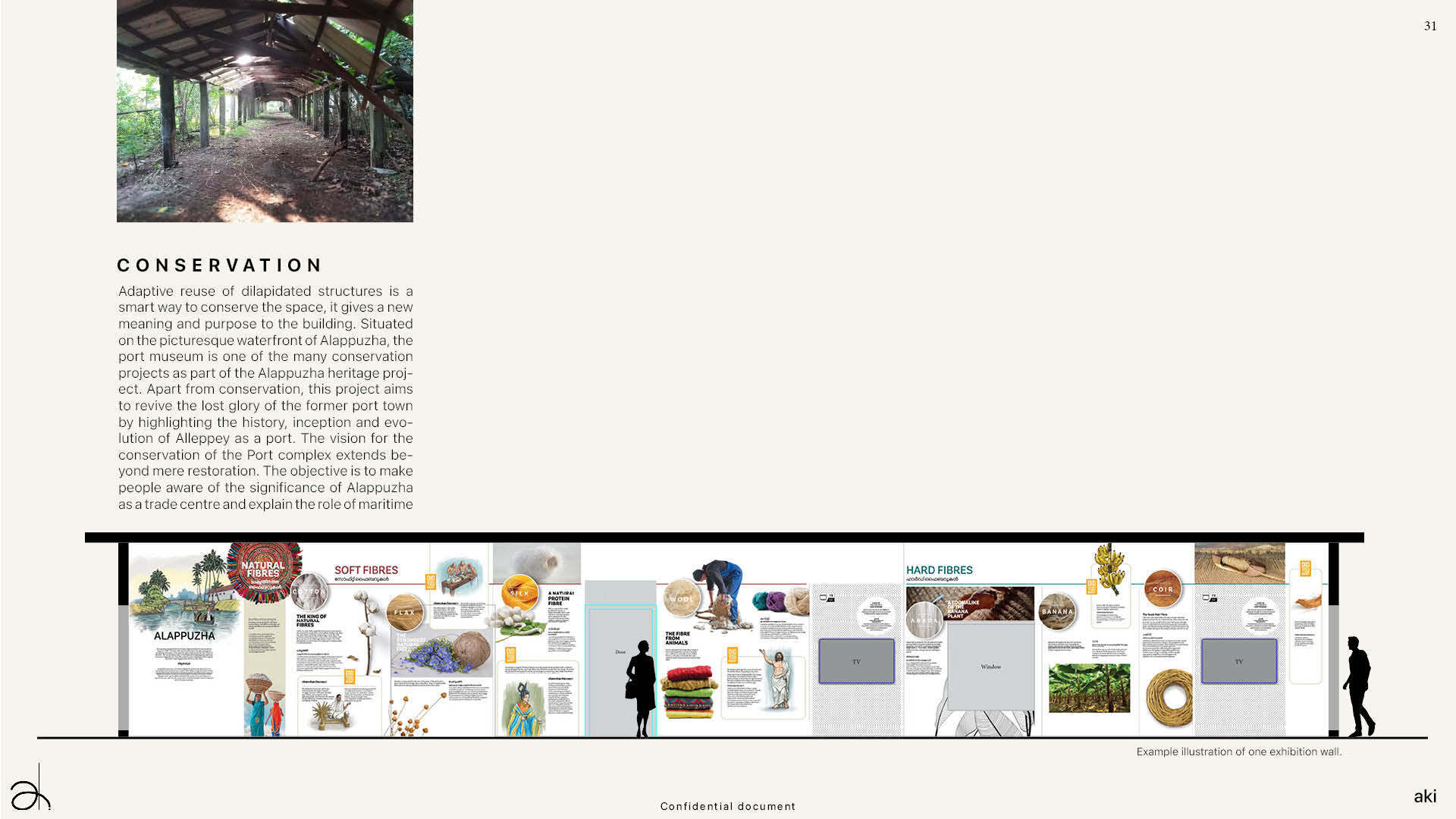
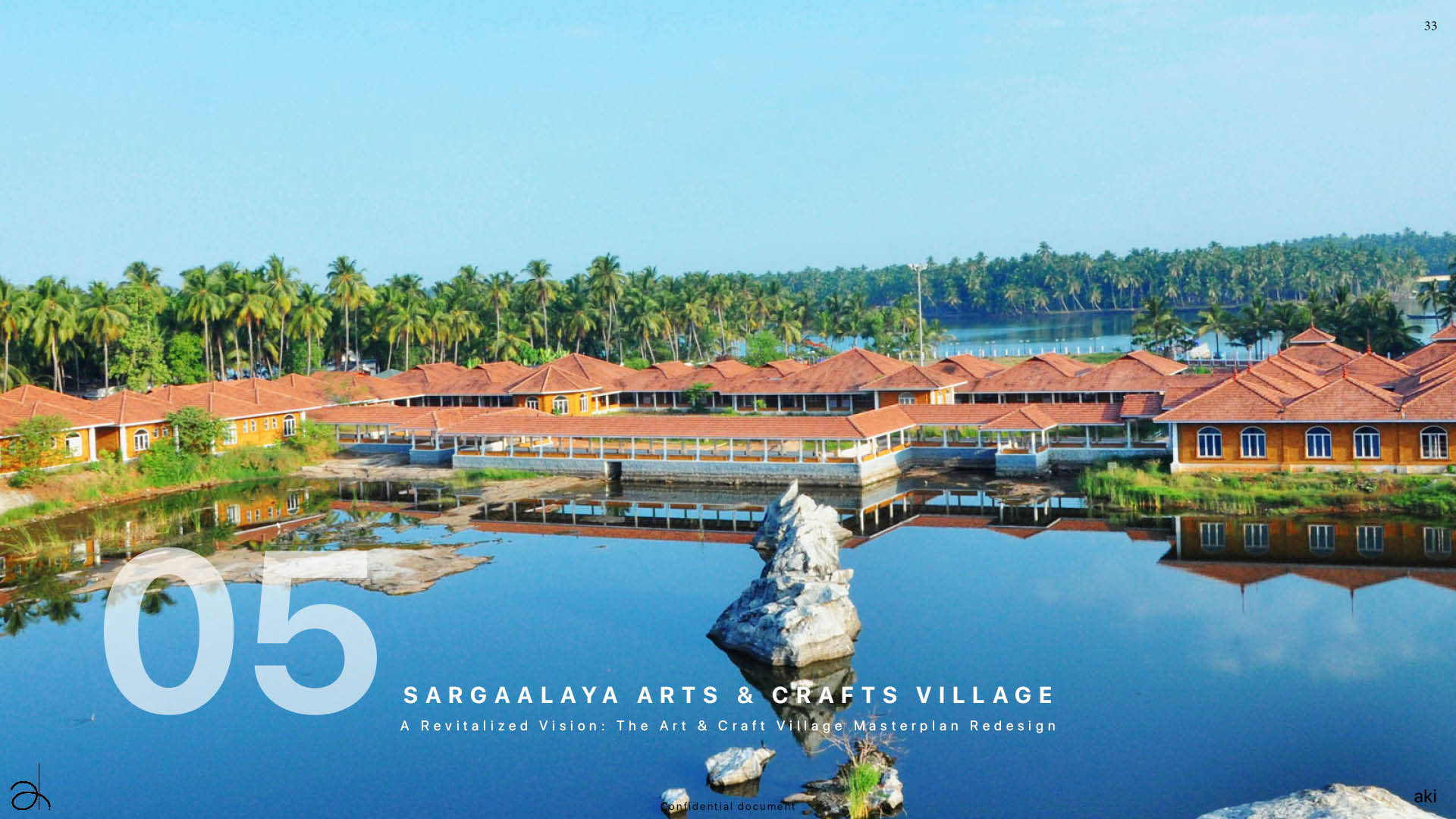
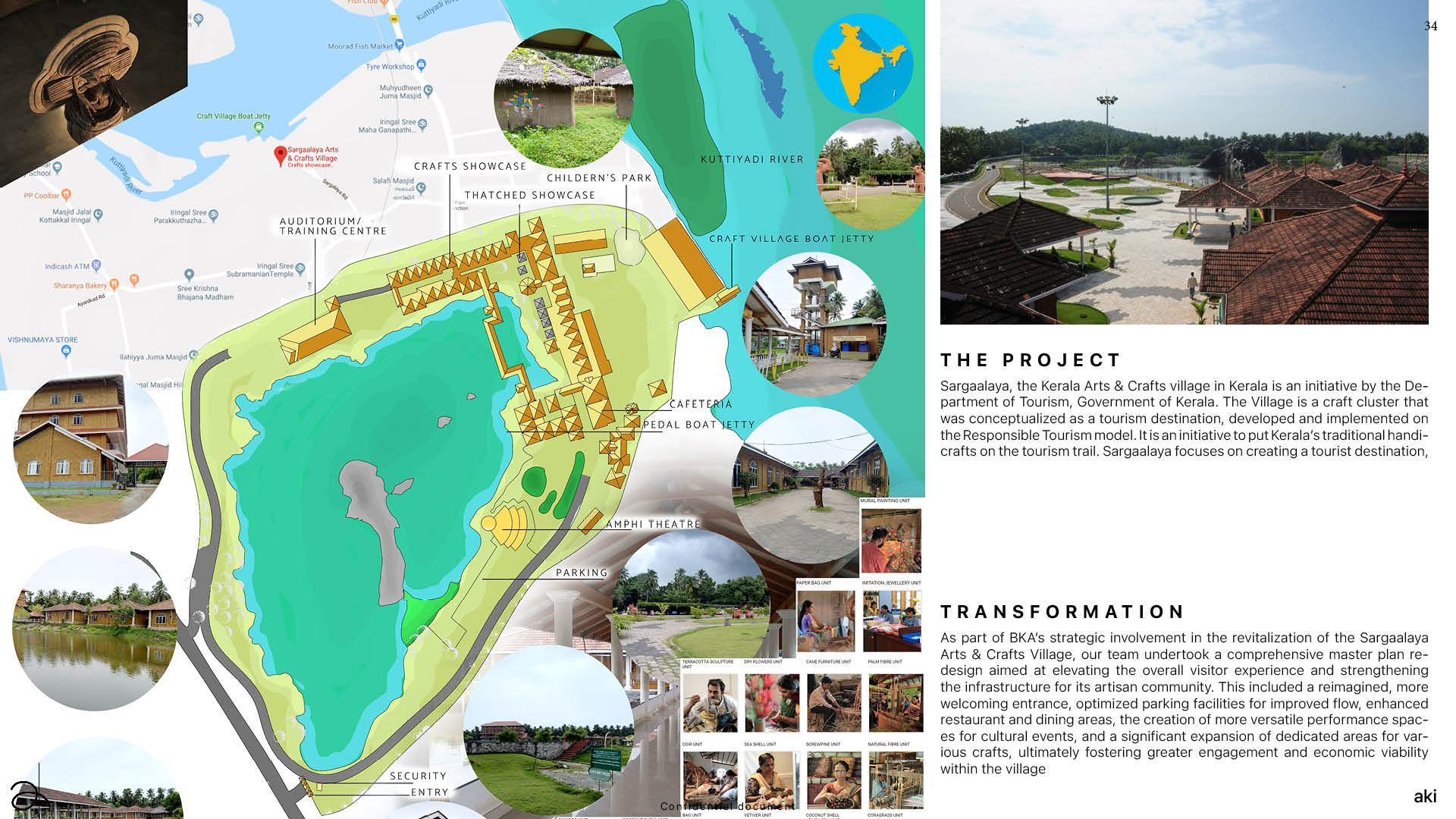
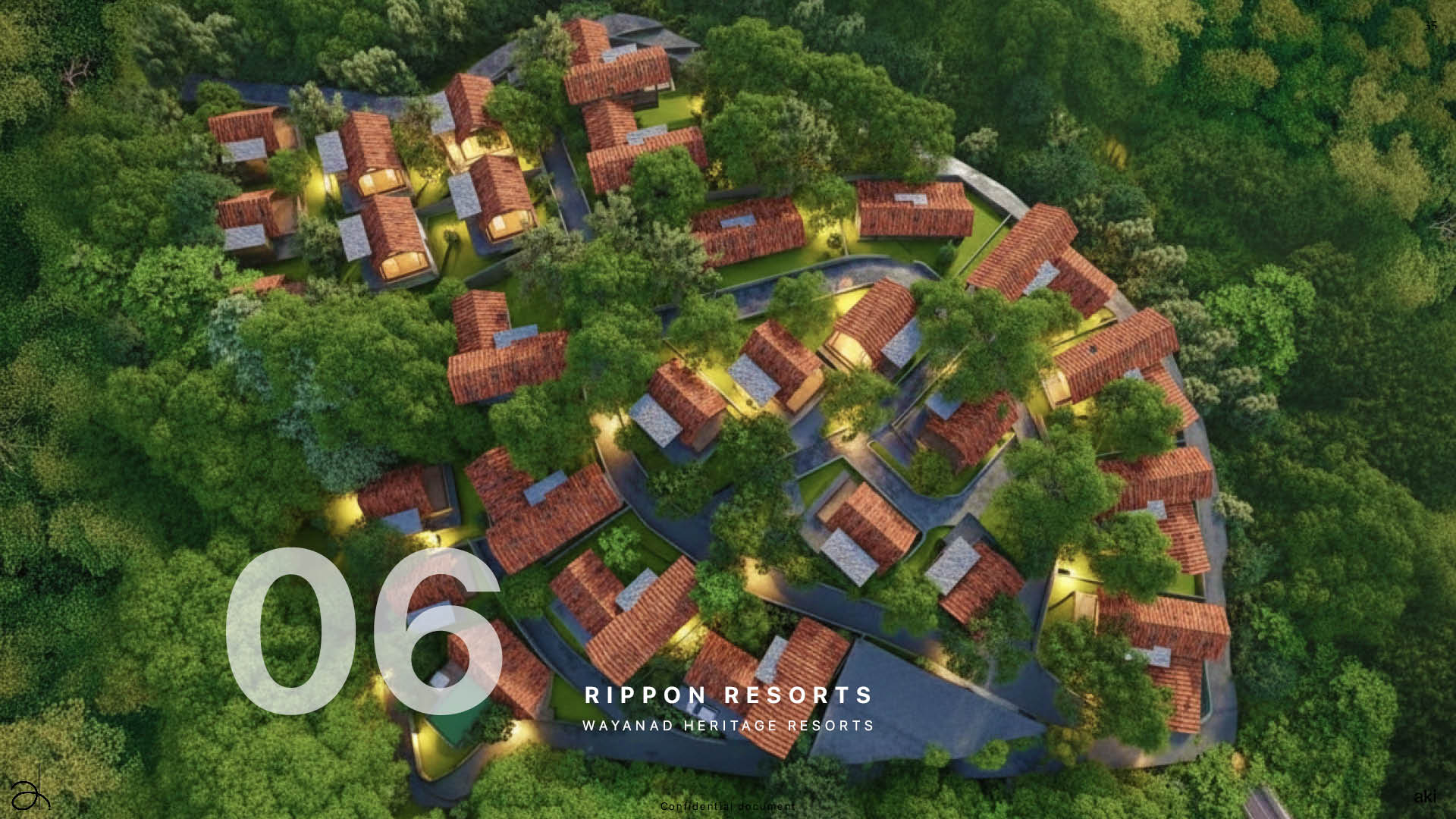
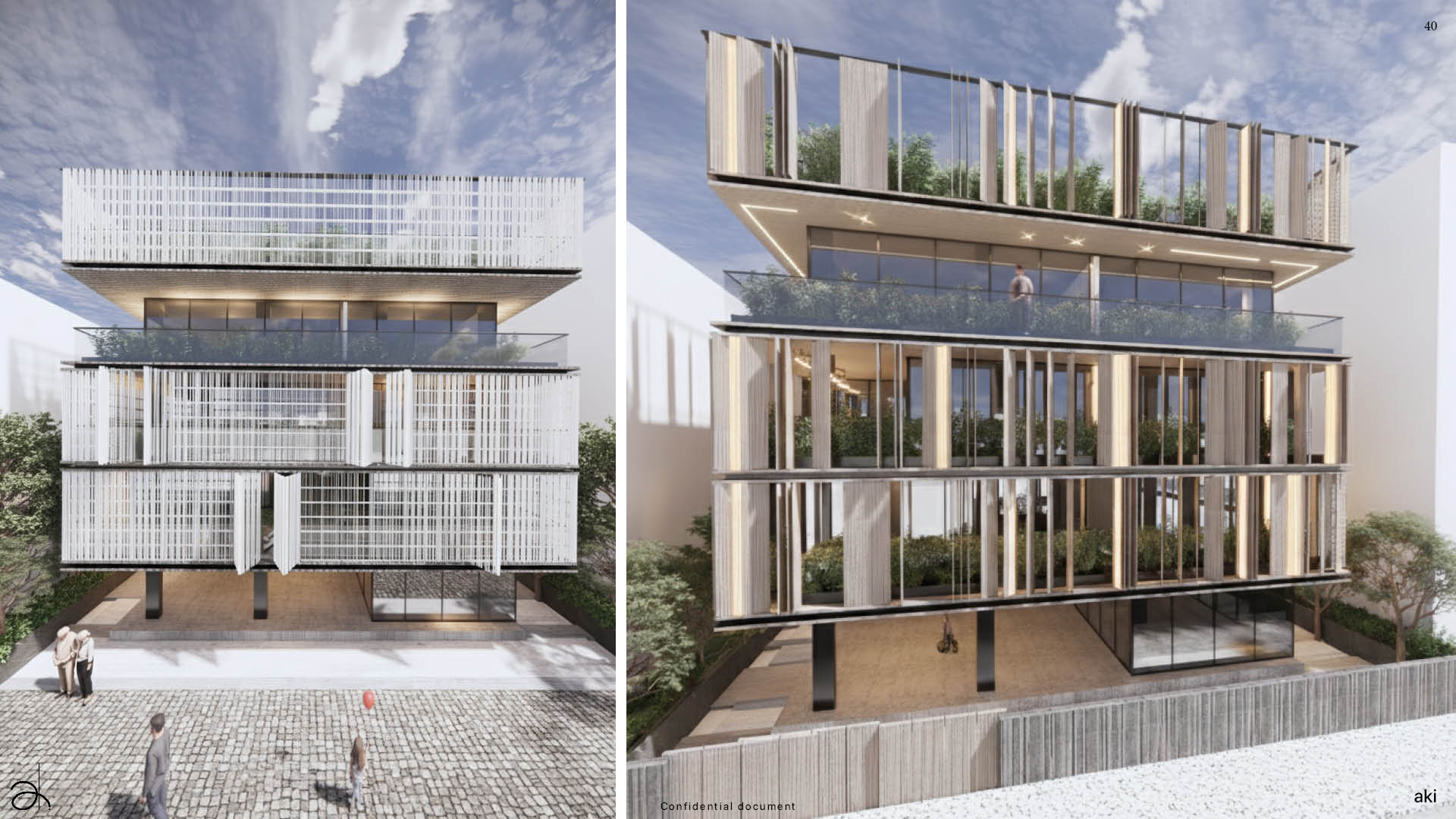
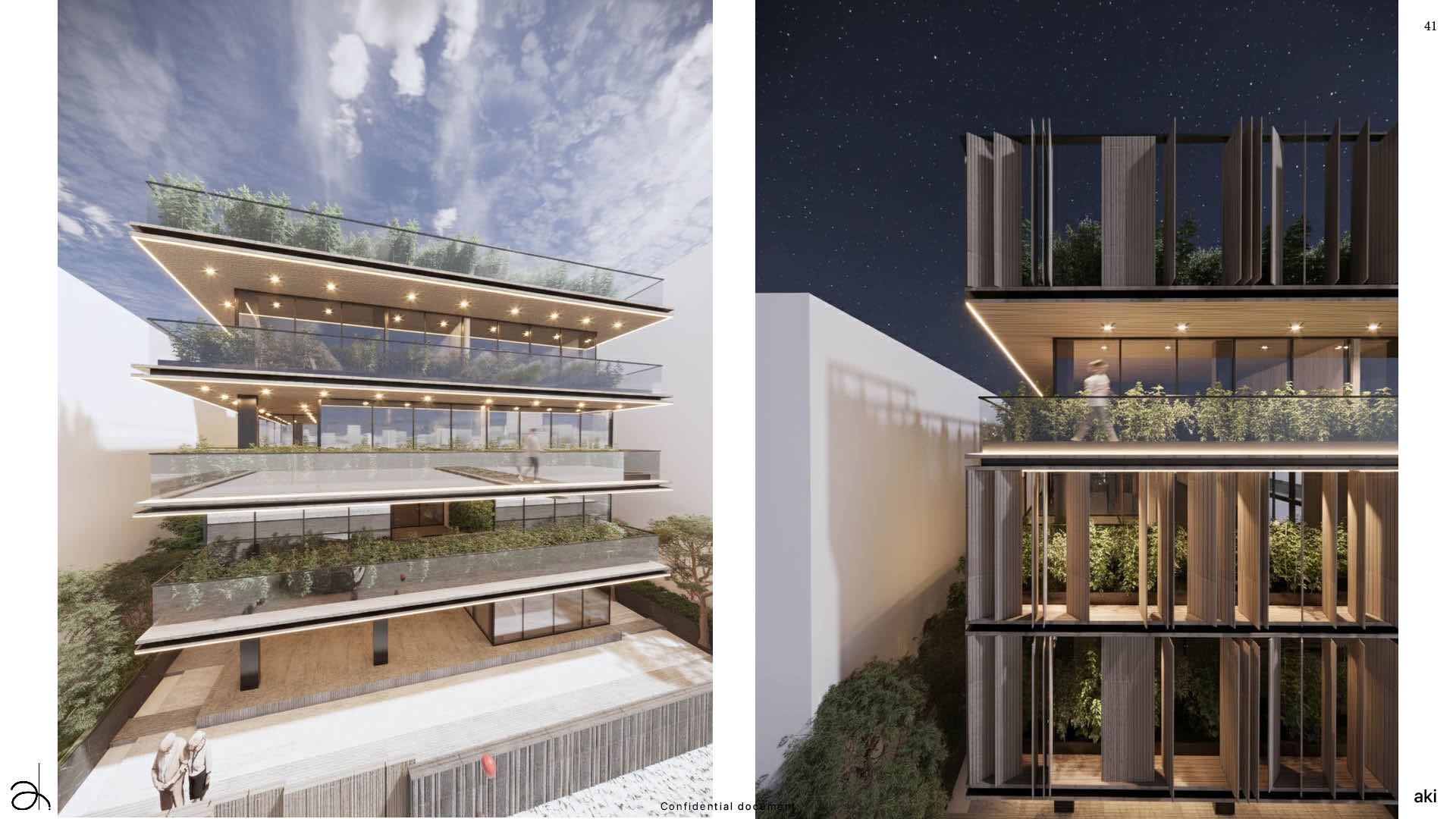
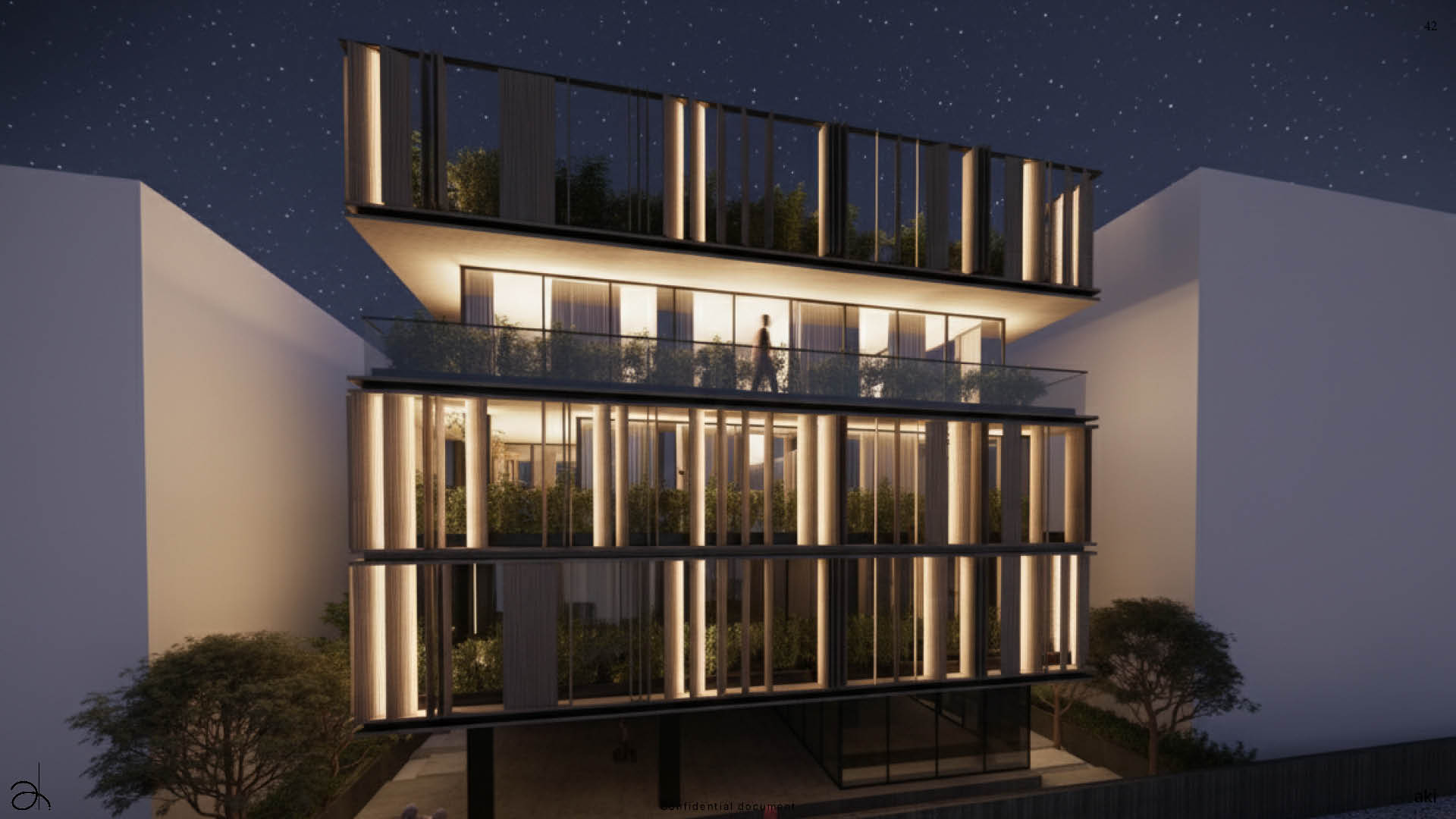
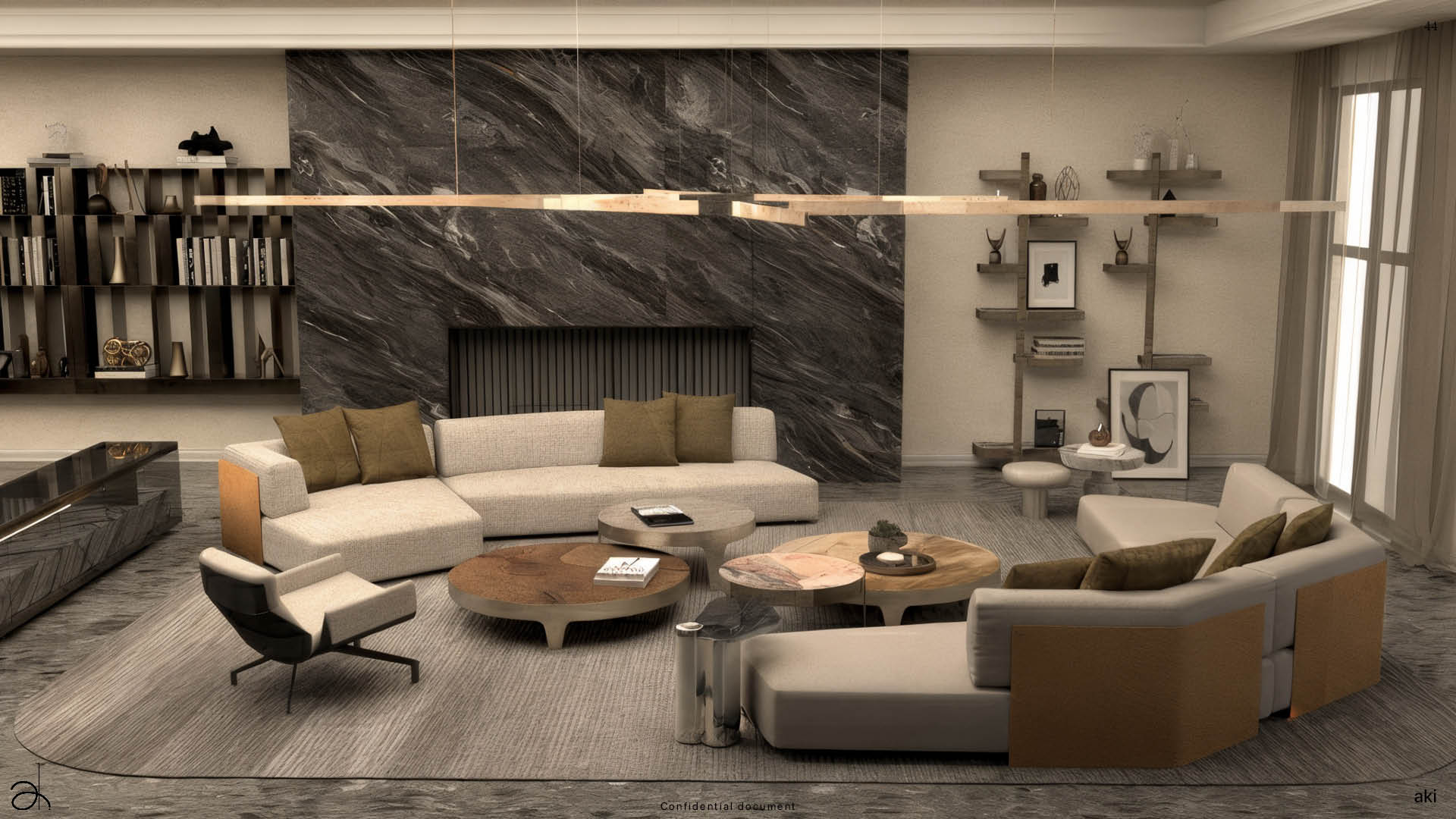
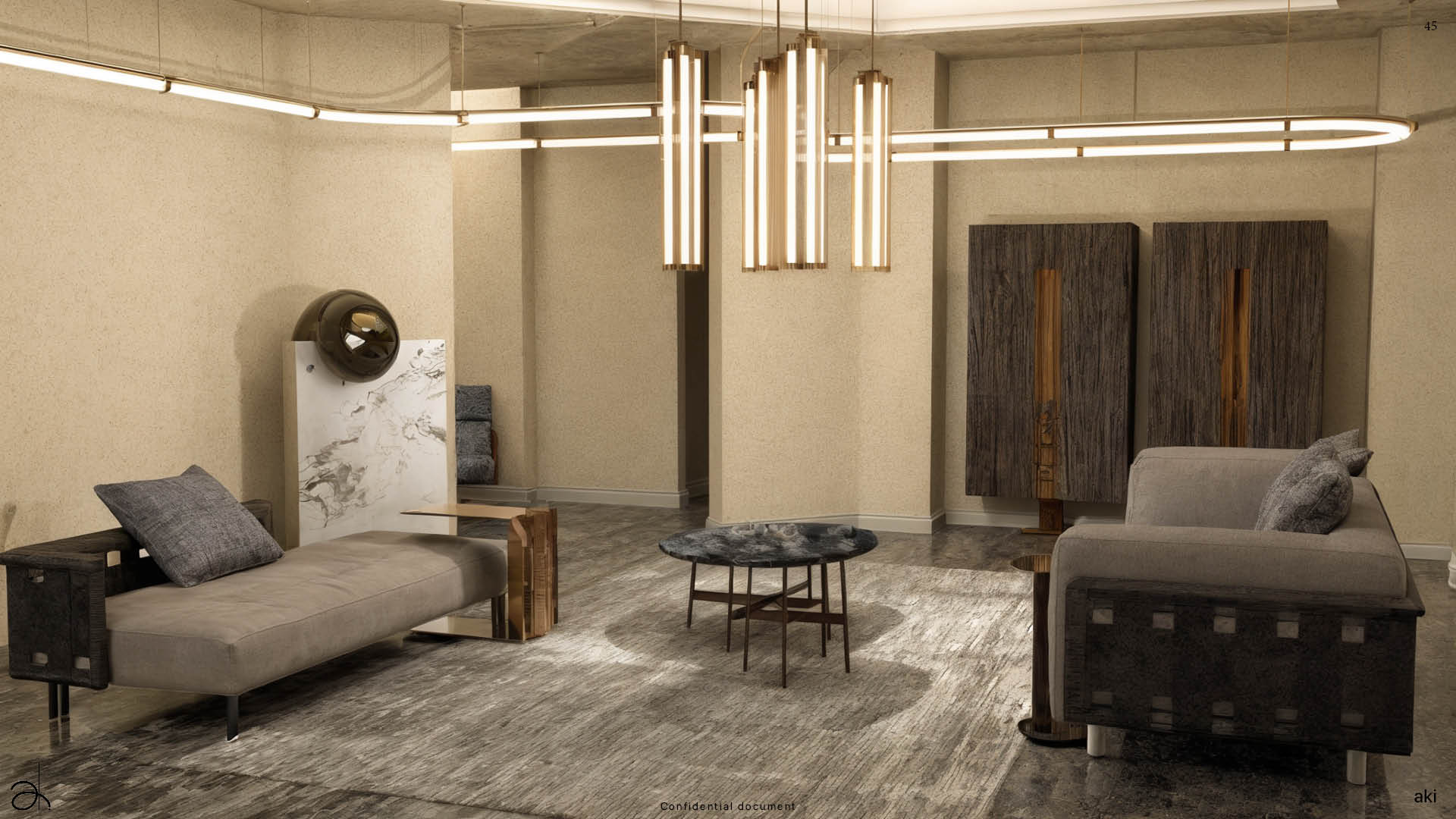
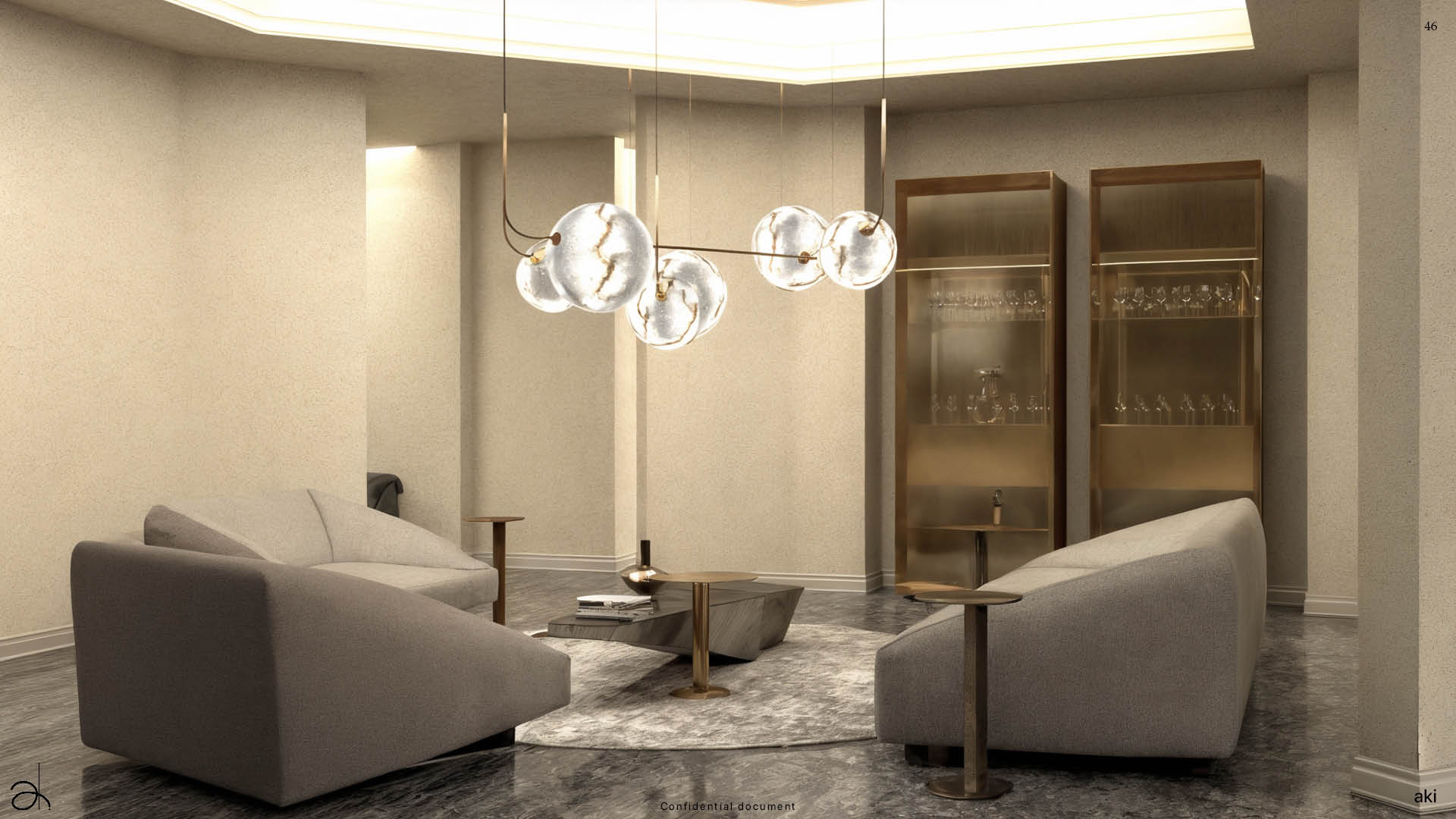
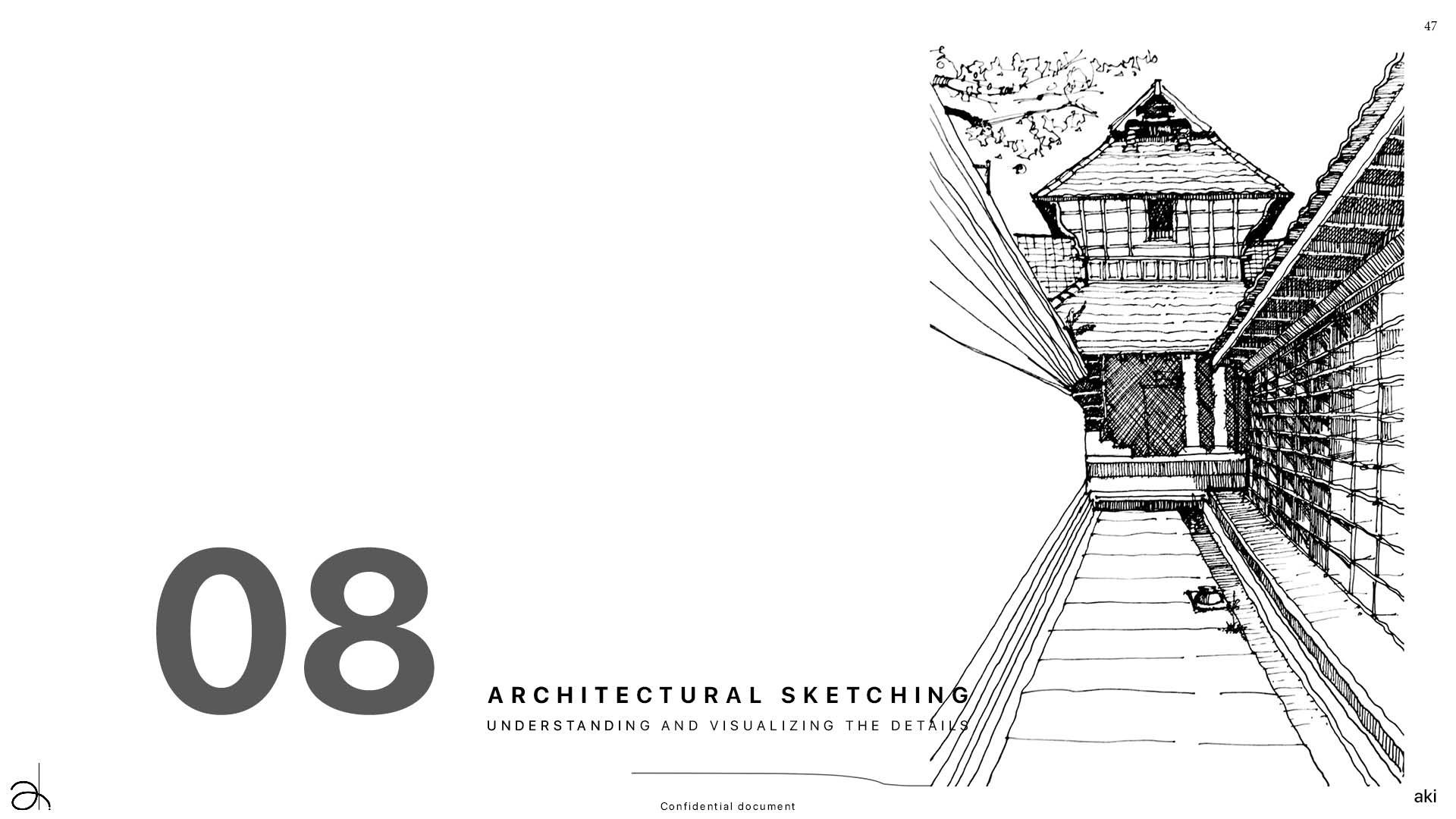
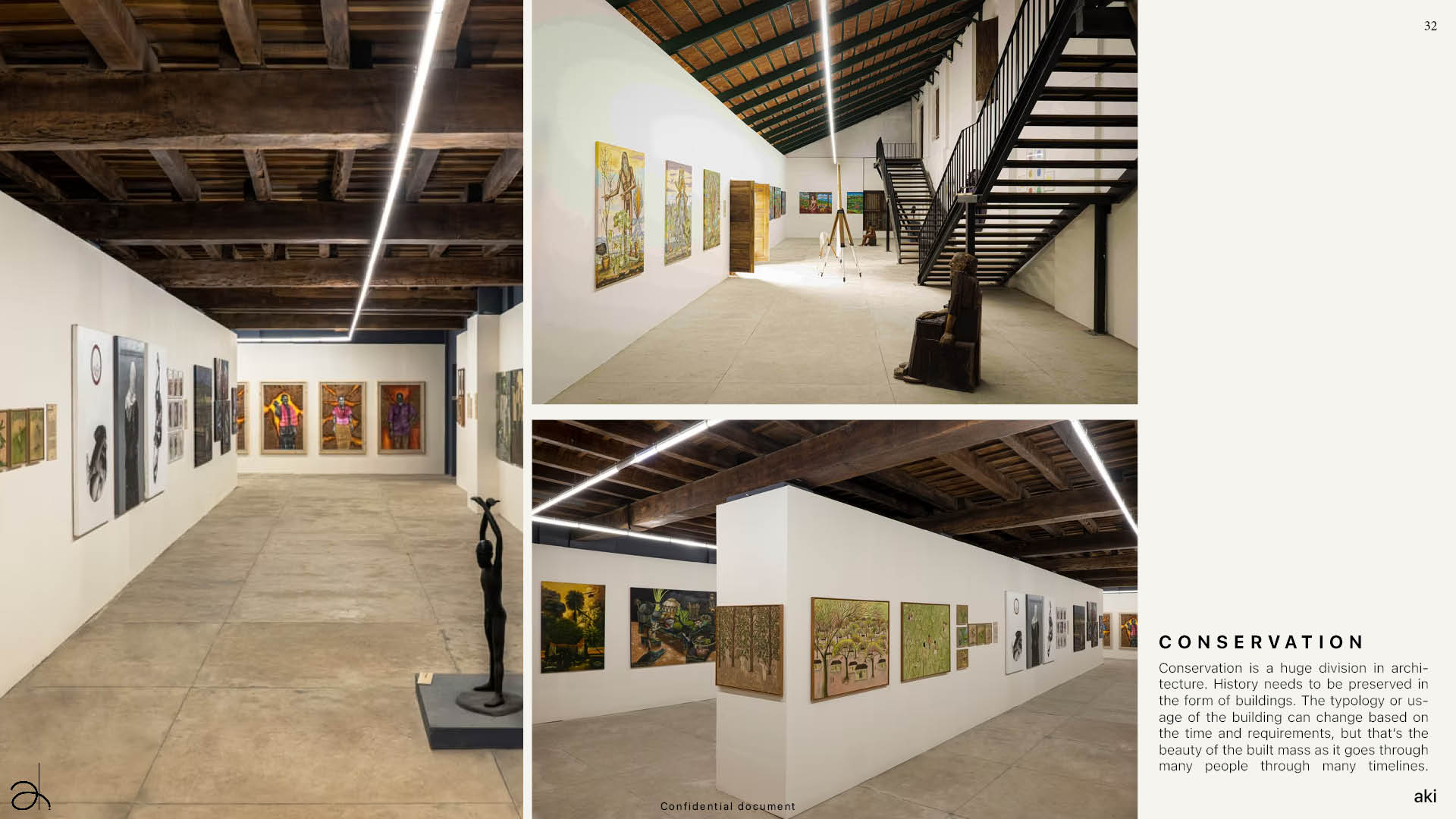
The architectural journey presented here spans a diverse range of projects, from small-scale residential designs to large museum developments. The work reflects an exploration of spatial concepts, materiality, and context across varying scales and typologies. Due to the confidential nature of many clients and the fact that several projects remain under construction, detailed information cannot be fully disclosed. This section offers a glimpse into the visual language, design processes, and conceptual approaches developed throughout these projects.
Services:
ARCHITECTURE AND INTERIOR
Client:
CONFIDENTIAL
CONFIDENTIAL
Year:
2021-2025
2021-2025


Design Philosophy
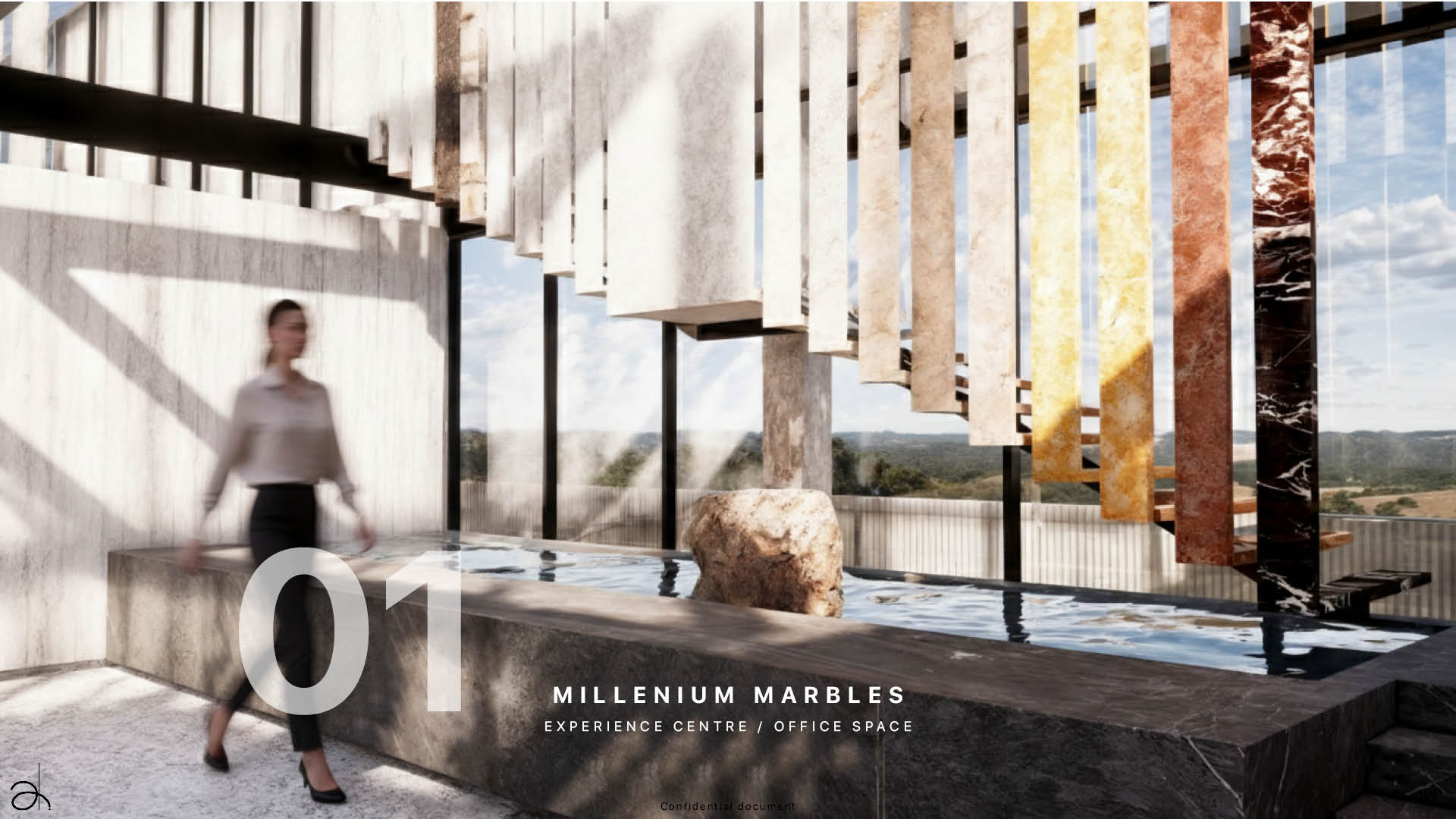
The approach to design is rooted in storytelling — where architecture becomes a medium to shape experiences rather than merely enclose functions. Each project is conceived as a narrative, unfolding through movement, light, material, and spatial sequences that invite exploration and emotional engagement.
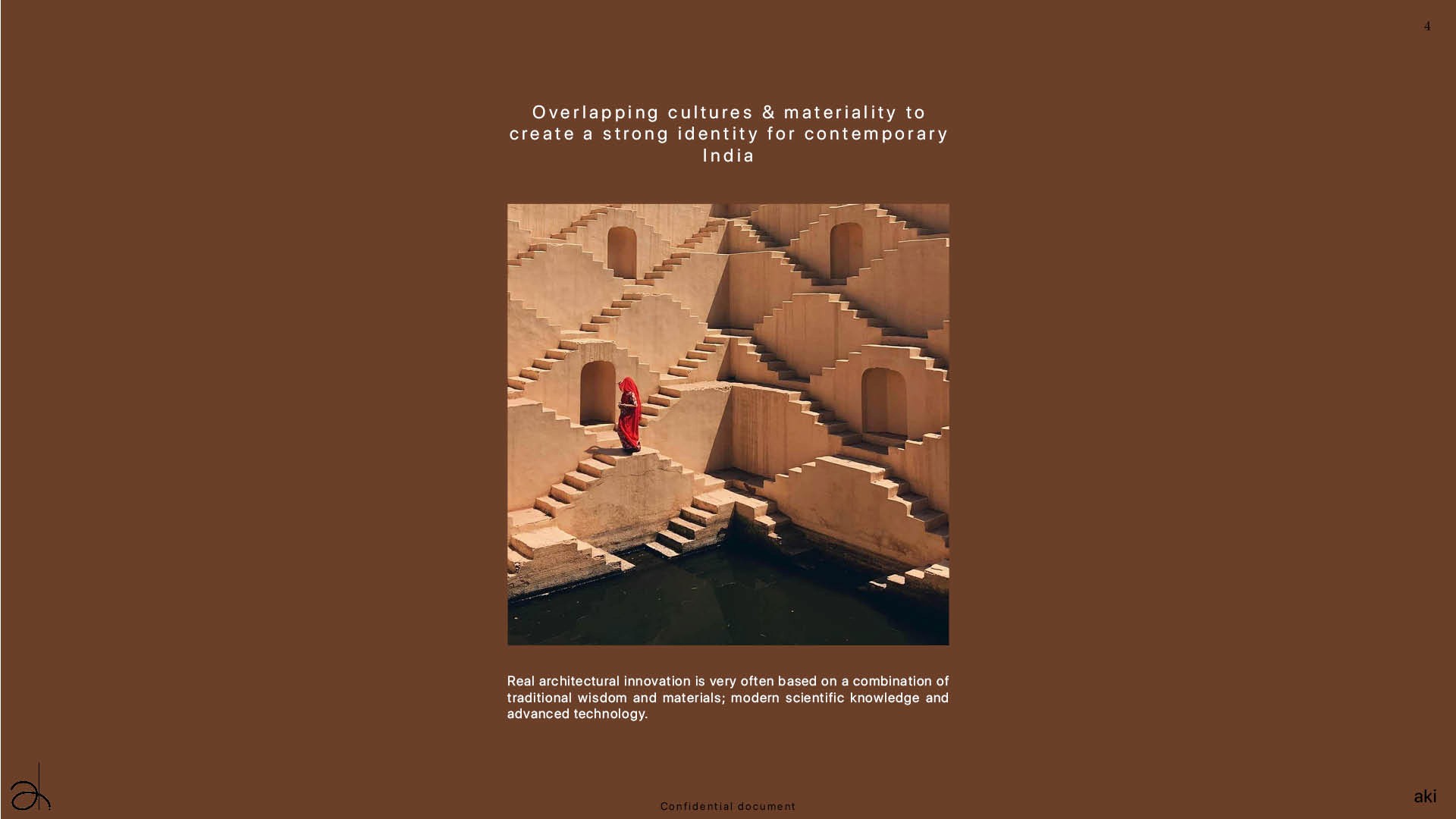
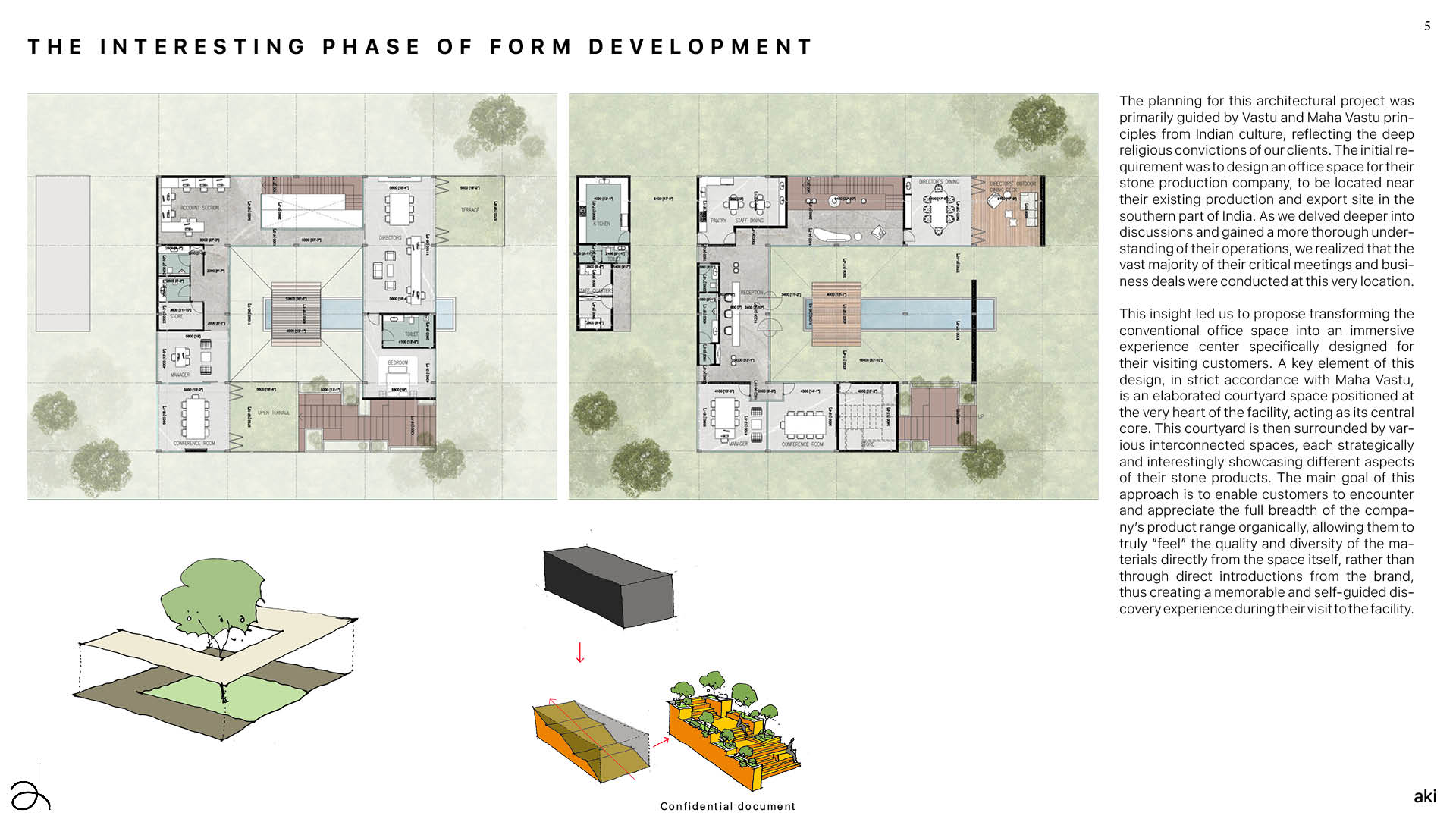
A strong dialogue between tradition and contemporary thinking forms the foundation of this process. Principles derived from cultural frameworks, such as Vastu, are not treated as constraints but as generative tools that guide spatial organization, orientation, and the flow of energy. These ideas are reinterpreted to suit modern contexts, allowing tradition to evolve rather than remain static.
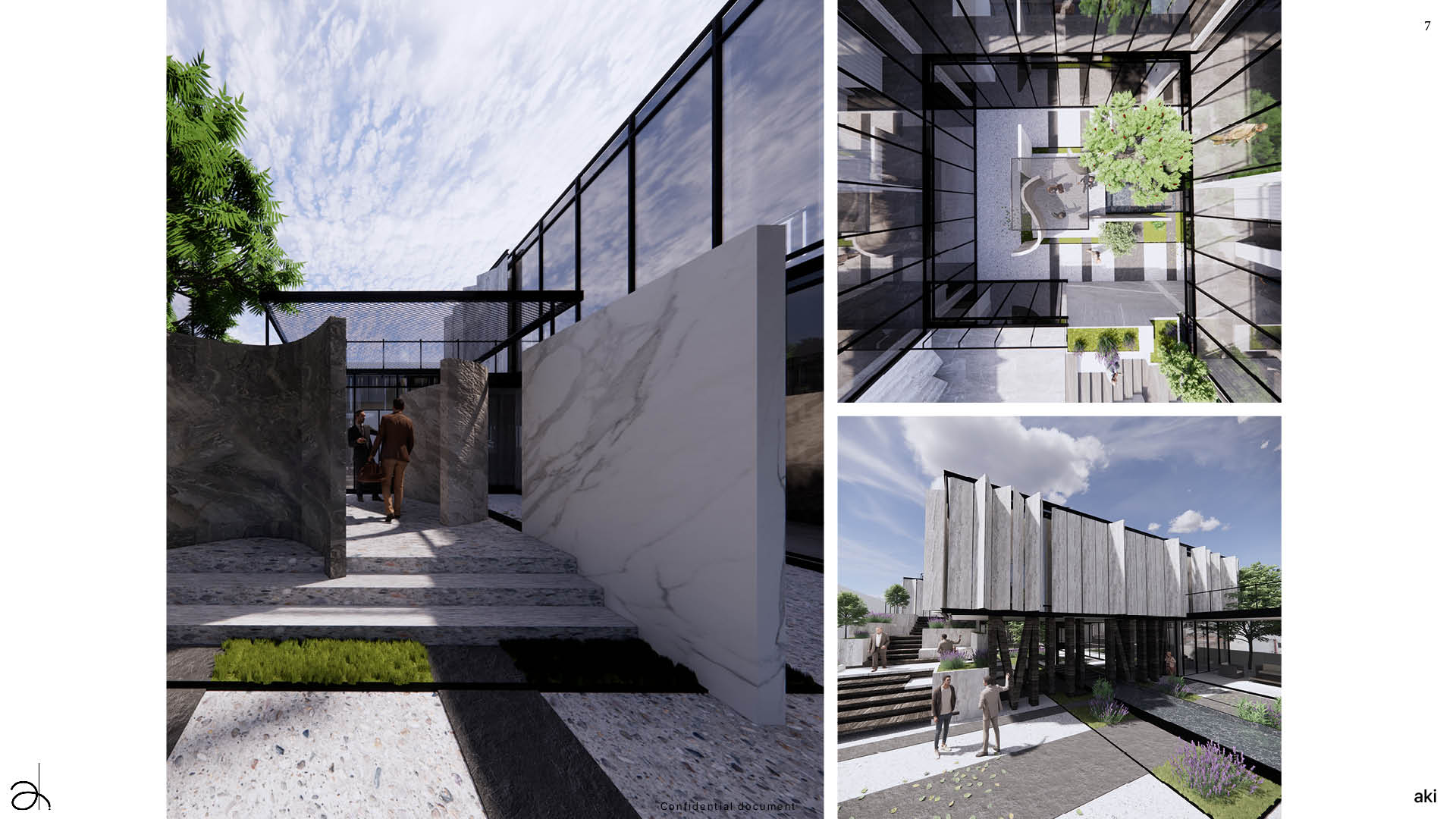
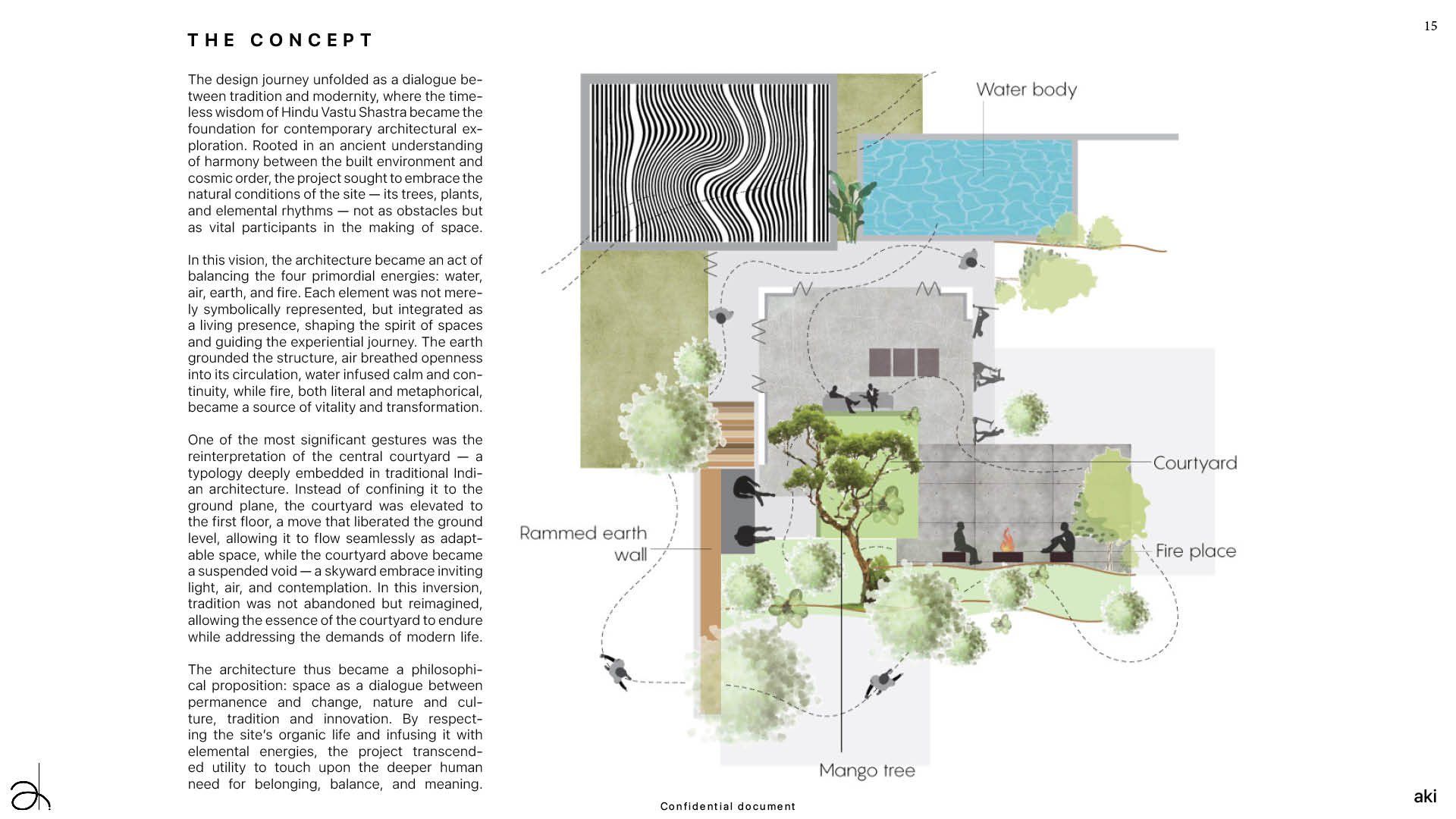
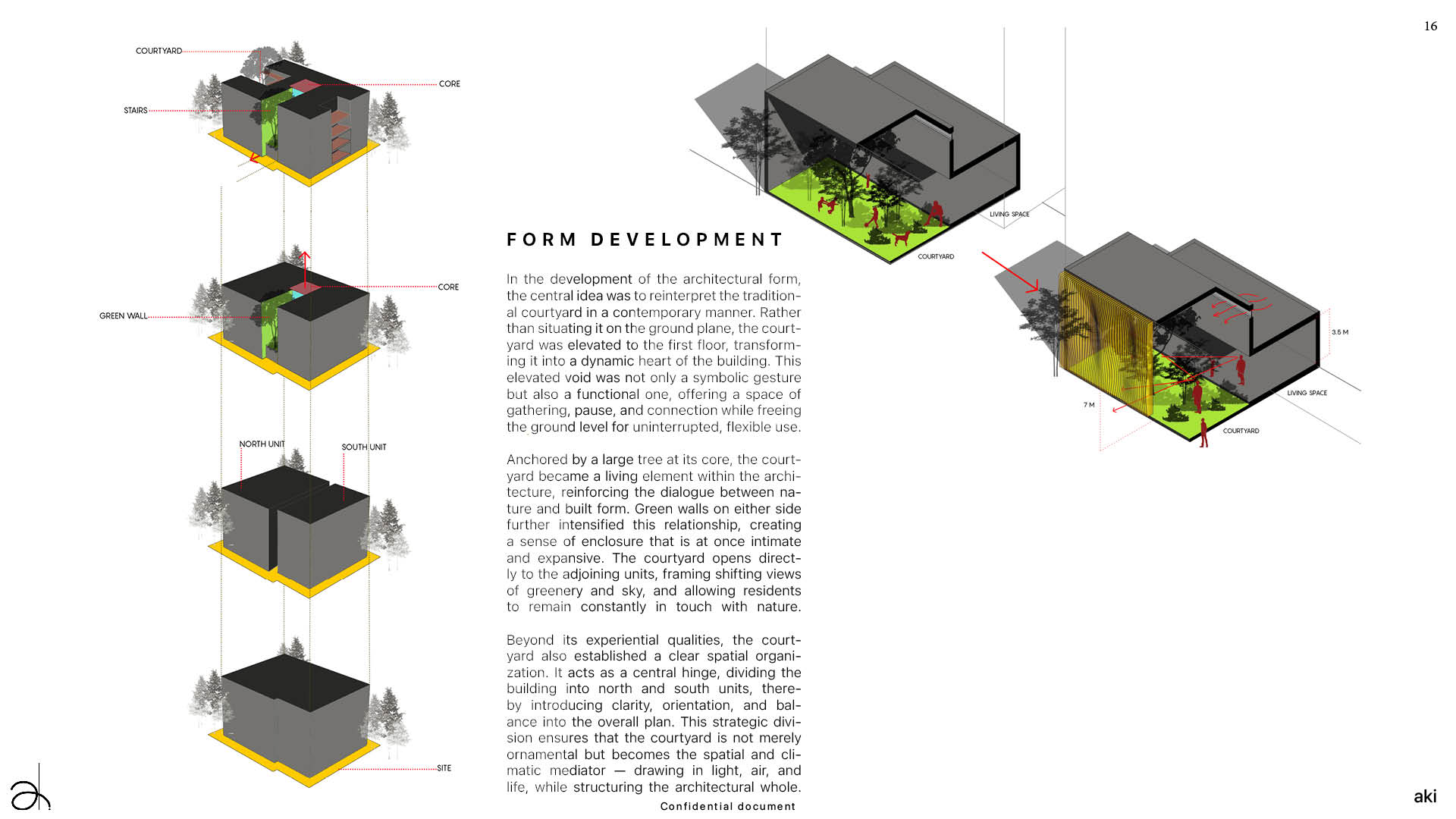
Nature is considered an active participant in the making of space. Elements such as light, air, water, and vegetation are integrated to create environments that are both responsive and immersive. Courtyards, voids, and transitional spaces play a key role in this approach, acting as anchors that connect the built form with its surroundings while fostering moments of pause, interaction, and reflection.
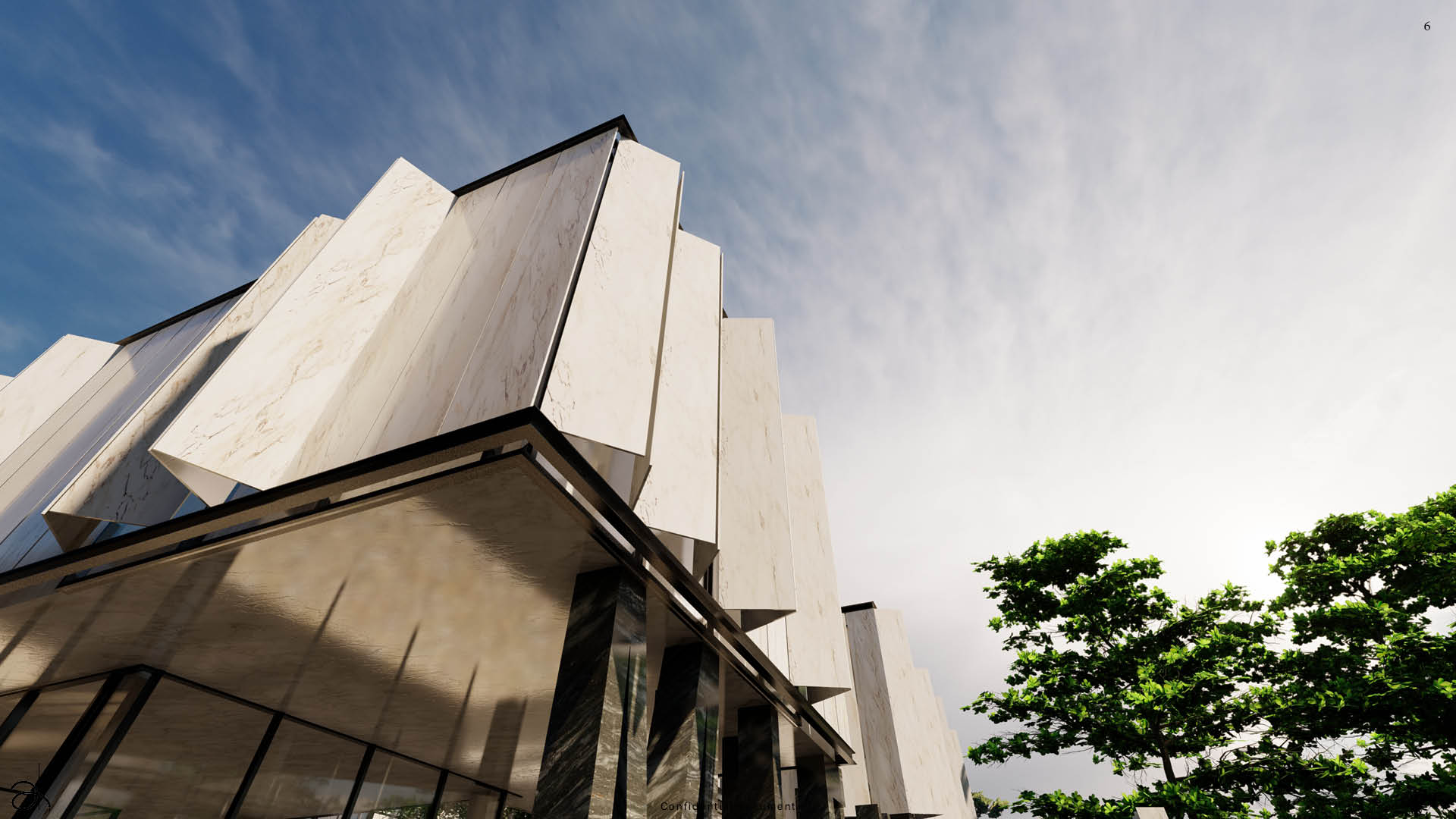
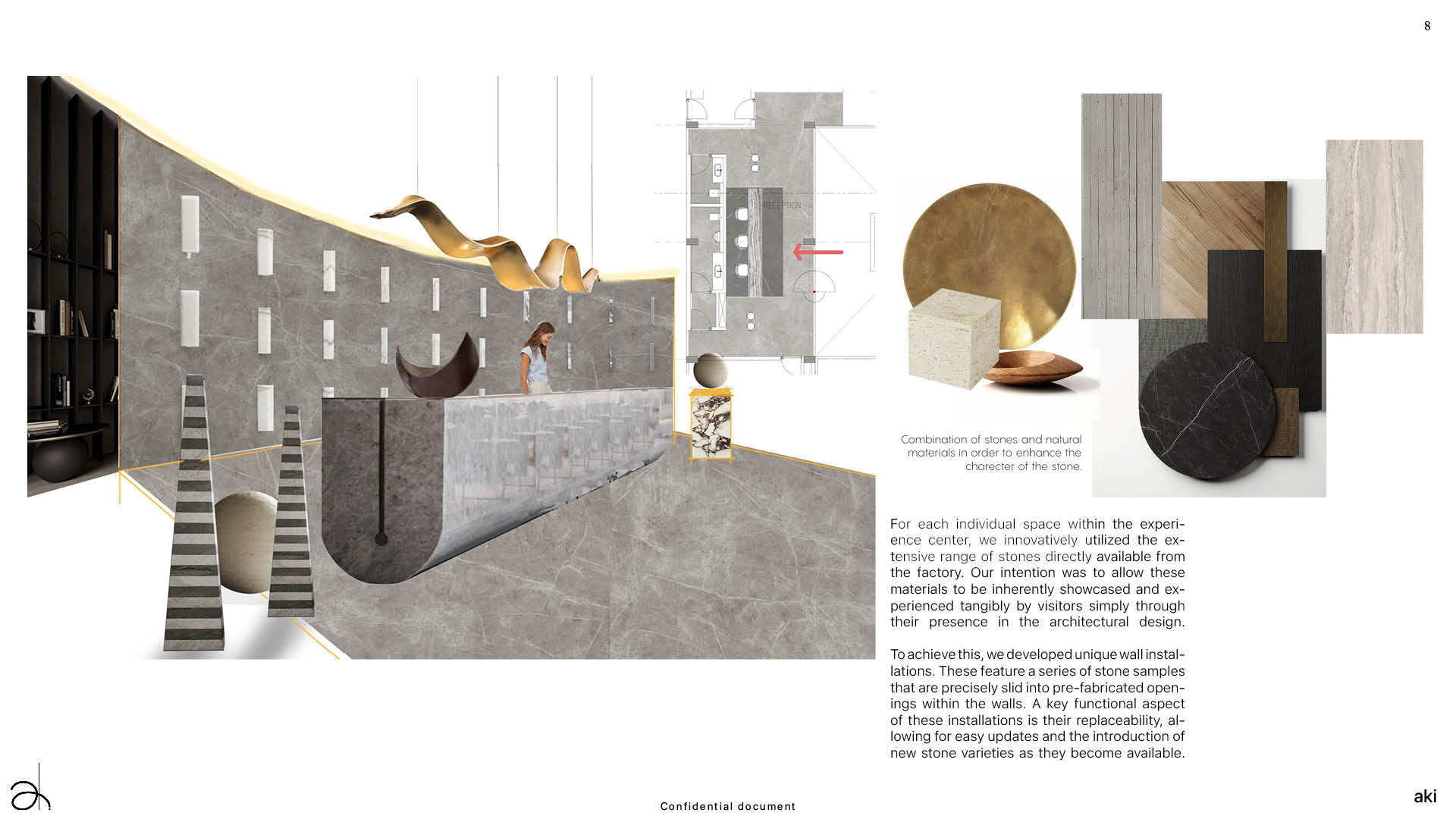
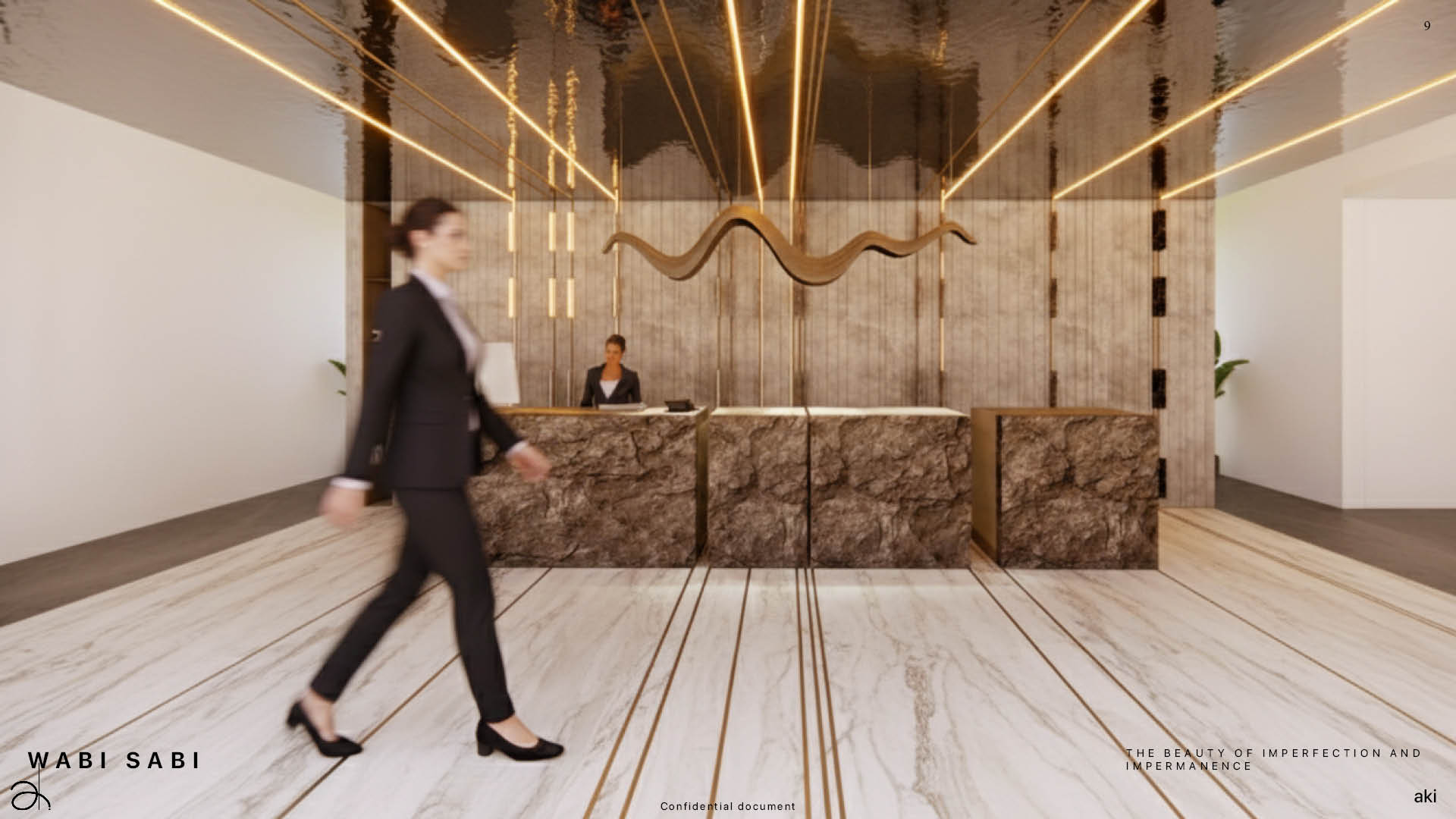
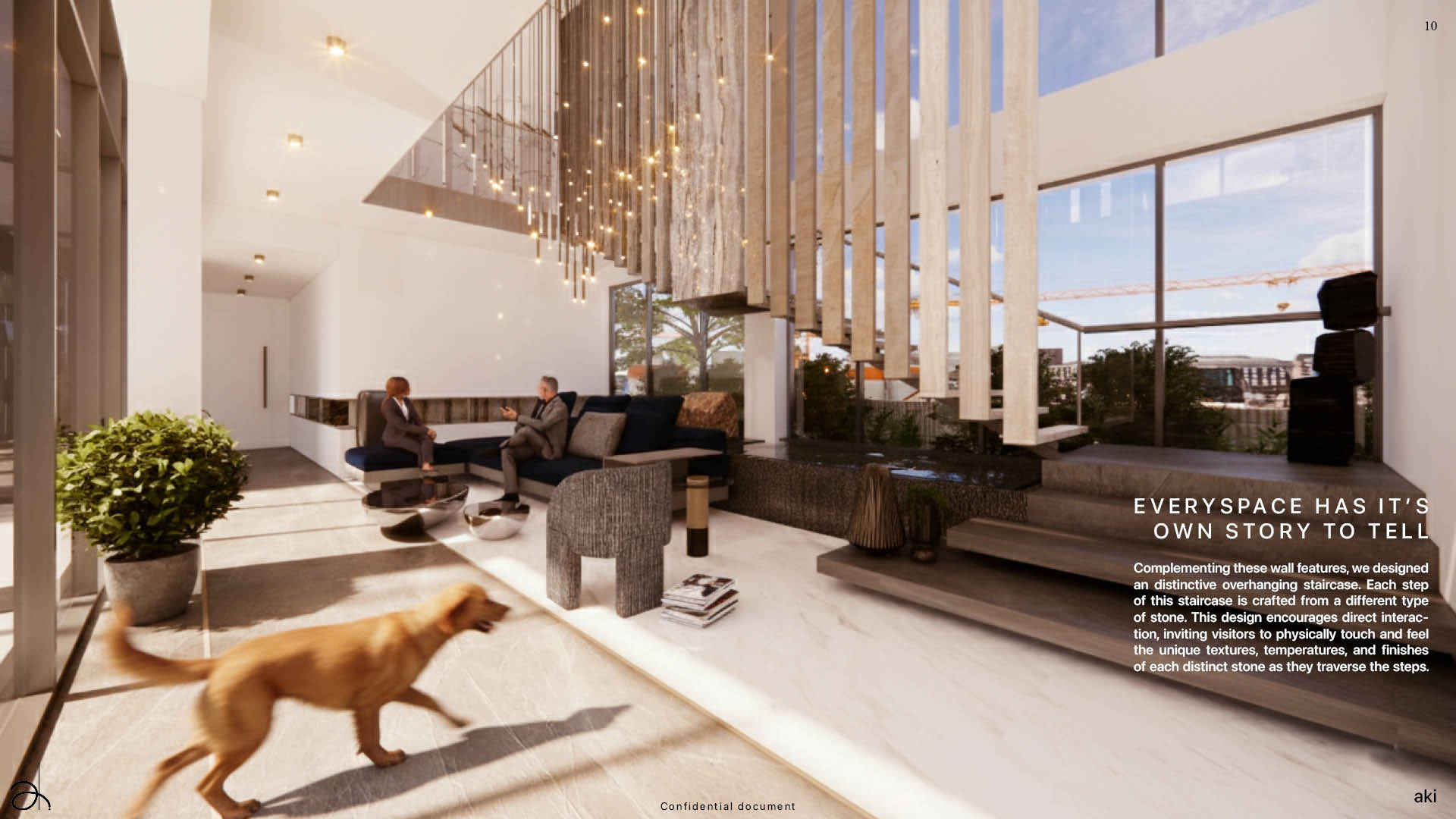
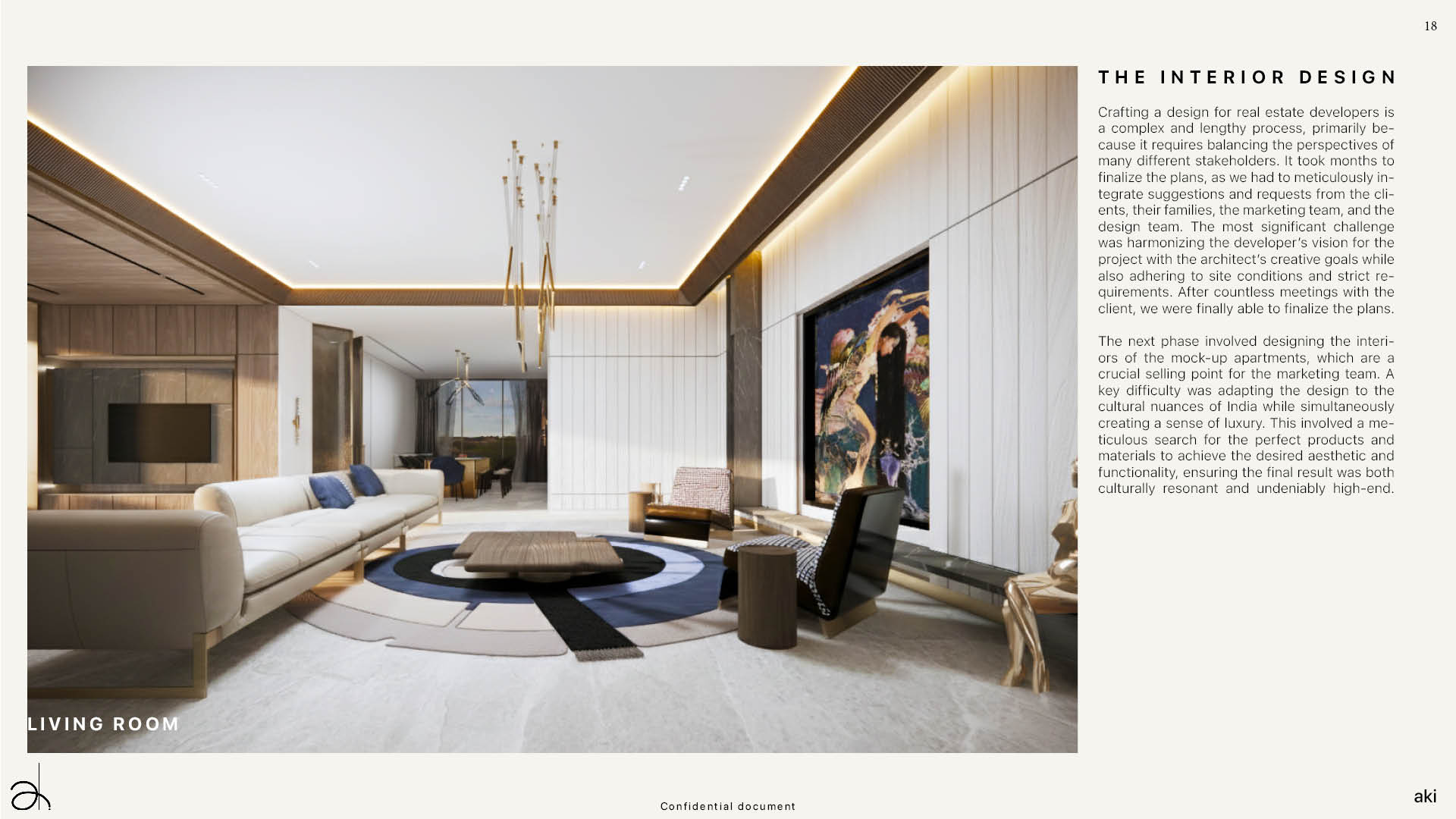
Materiality is approached as a tactile narrative layer. Materials are not only selected for their performance or aesthetics, but for their ability to communicate identity and evoke sensory experiences. Through thoughtful detailing and adaptability, spaces are designed to evolve over time, accommodating change while maintaining a strong conceptual core.
Ultimately, the philosophy seeks to balance multiple forces — tradition and innovation, function and emotion, structure and fluidity. The aim is to create spaces that are not only visually compelling but deeply experiential, where users can connect, discover, and find meaning within the built environment.
Design Philosophy
The approach to design is rooted in storytelling — where architecture becomes a medium to shape experiences rather than merely enclose functions. Each project is conceived as a narrative, unfolding through movement, light, material, and spatial sequences that invite exploration and emotional engagement.
A strong dialogue between tradition and contemporary thinking forms the foundation of this process. Principles derived from cultural frameworks, such as Vastu, are not treated as constraints but as generative tools that guide spatial organization, orientation, and the flow of energy. These ideas are reinterpreted to suit modern contexts, allowing tradition to evolve rather than remain static.
Nature is considered an active participant in the making of space. Elements such as light, air, water, and vegetation are integrated to create environments that are both responsive and immersive. Courtyards, voids, and transitional spaces play a key role in this approach, acting as anchors that connect the built form with its surroundings while fostering moments of pause, interaction, and reflection.
Materiality is approached as a tactile narrative layer. Materials are not only selected for their performance or aesthetics, but for their ability to communicate identity and evoke sensory experiences. Through thoughtful detailing and adaptability, spaces are designed to evolve over time, accommodating change while maintaining a strong conceptual core.
Ultimately, the philosophy seeks to balance multiple forces — tradition and innovation, function and emotion, structure and fluidity. The aim is to create spaces that are not only visually compelling but deeply experiential, where users can connect, discover, and find meaning within the built environment.